Things to Do in Ecuador in September
September weather, activities, events & insider tips
Low Season · Budget Friendly
September Weather in Ecuador
Long-run averages for September in Quito
72°F (22°C)
High Temp
48°F (9°C)
Low Temp
2.7 inches (69 mm)
Rainfall
64%
Humidity
15
Sunny-Day UV
⚠ Extreme UV radiation at highland altitudes. Quito's equatorial position at 2,850 m (9,350 ft) produces a UV index of 15 on clear September days, severe enough to cause visible sunburn in under fifteen minutes at midday even through thin cloud cover. This exceeds what most travelers have encountered anywhere. Standard SPF 30 sunscreen is insufficient for extended outdoor time at this intensity.
⚠ Altitude sickness risk for travelers arriving directly in Quito or heading to highland volcanoes. Symptoms including headache, nausea, and shortness of breath affect roughly one in four visitors who ascend rapidly from sea level to 2,850 m (9,350 ft) or higher without acclimatization time. The risk increases significantly above 4,000 m (13,120 ft) on volcano treks.
Making the most of September in Ecuador? Browse tours and activities in Ecuador on GetYourGuide.
Is September Right for You?
Weigh the advantages and considerations before booking
Advantages
- + September ranks among Ecuador's three driest highland months. Quito averages just 2.7 inches (69 mm) of rain, less than half of March and April's deluge. Clear mornings dominate the Avenue of Volcanoes. Cotopaxi's snow-capped cone at 5,897 m (19,347 ft) stays visible from Quito for stretches the wet season denies. Trekking trails through the páramo grasslands above 3,500 m (11,480 ft) remain firm underfoot. No ankle-deep mud to fight through, unlike the rainy months.
- + Humpback whales still work the warm currents off Puerto López and Isla de la Plata through late September. The watching tends to be excellent. Mothers with young calves stay close to the surface during the tail end of breeding season. Acrobatic breaching peaks in these final weeks. Larger crowds arrive in July and August. September boats typically head out with smaller groups and better sightlines.
- + The gap between Northern Hemisphere summer rush and December holiday wave leaves September quieter across the country. Galápagos cruise departures that require five or six months of lead time in July often have September openings with just a few weeks of notice. In Quito, the Compañía de Jesús church, its interior covered in an estimated seven tonnes of gold leaf, can be appreciated at your own pace. Free of the tour-group shuffle that chokes peak season.
- + Otavalo's Fiesta del Yamor, held during the first week of September, is one of the Ecuadorian highlands' most distinctive celebrations. A harvest festival anchored by chicha de yamor, a fermented corn drink brewed from seven different maize varieties that exists at no other time of year. The festival coincides with Koya Raymi, the Andean equinox celebration of Pachamama. Parades, traditional music, and communal eating fill the town for several days. You get access to an indigenous cultural event that has not been repackaged for outside consumption.
Considerations
- − The Galápagos Islands sit in the middle of garúa season through September. Water temperatures hover around 18-21°C (64-70°F). Overcast mornings dominate. Rougher seas hit western crossings. Snorkeling still works. Sea lions, marine iguanas, and Galápagos penguins do not care about the cloud cover. You will want a full wetsuit. Underwater visibility drops compared to the warm season. Those postcard-blue skies show up less reliably. If the Galápagos is the sole reason for your trip, January through April delivers warmer water and calmer conditions.
- − Quito sits at 2,850 m (9,350 ft) on the equator. September's clear skies push the UV index to 15 on cloud-free days, a level most Northern Hemisphere travelers have never experienced. Sunburn can set in within fifteen minutes at midday. The air temperature feels pleasantly cool at 22°C (72°F). This catches nearly every first-time visitor off guard. The combination of altitude and equatorial angle demands serious sun protection. SPF 50 minimum. Wide-brim hat. Reapplication every ninety minutes. Long sleeves when the locals are wearing them.
- − September falls between Ecuador's main tourist seasons. Some smaller operations scale back. Eco-lodges in the Cuyabeno Reserve or along the Napo River that run daily departures in July might drop to three a week. Coastal towns south of Puerto López get quieter. A few seasonal restaurants shutter until the next wave. This is manageable with advance planning. It limits the spontaneous just-show-up flexibility you would have in Quito or Baños year-round.
Short on time in September? See day trips around Ecuador on GetYourGuide.
Best Activities in September
Top things to do during your visit
Humpback Whale Watching off Puerto López and Isla de la Plata
September is the final full month of Ecuador's humpback season. The watching tends to be notable. Whales migrate north from Antarctic feeding grounds to breed in the warmer Pacific waters off the coast. By September the population includes mothers with young calves that surface frequently and linger near the boats. Puerto López, a small fishing town on the central coast about 170 km (106 miles) south of Manta, is the departure point for most excursions. Boats head toward Isla de la Plata, roughly 40 km (25 miles) offshore. Blue-footed boobies nest on the cliffsides there. Whale sightings concentrate in these waters. You will smell the salt and diesel before you clear the harbor. Then the Pacific opens up. The swells stay moderate enough in September to keep most trips running. Strong enough that you feel the ocean working under the hull. The sound of a tail slap carries across the water in a way that makes the scale of these animals suddenly real. Bring motion-sickness medication if you are prone to it. Book for early morning when the light sits low and the whales seem to breach more freely. By late September the migration begins thinning. The first two weeks are likely the better bet.
Booking Tip: Book whale-watching excursions at least one to two weeks ahead. Use operators with coast guard certification. Morning departures tend to have calmer seas and better sighting rates. See current options with verified reviews in the booking section below.
Cotopaxi and Highland Volcano Trekking
September's dry conditions make the central highlands good for serious trekking. Cotopaxi, the symmetrical ice-capped stratovolcano that dominates the skyline south of Quito, is the anchor. The standard route takes you from the parking area at about 4,500 m (14,760 ft) up to the José Rivas refuge at 4,864 m (15,955 ft). This is a steep but non-technical scramble across volcanic scree that takes roughly ninety minutes if you have acclimatized properly. The air thins noticeably above 4,000 m (13,120 ft). Your breathing becomes louder in your own ears. The wind carries a mineral coldness that smells faintly of sulfur and wet stone. Below the volcano, the Limpiopungo lagoon reflects Cotopaxi on still mornings with a mirror clarity the wet-season cloud base never allows. For a less crowded route, try the Quilotoa Loop. This multi-day trek connects indigenous villages around a turquoise crater lake at 3,914 m (12,841 ft). It is at its driest and most walkable in September. The páramo grasses crunch underfoot, golden-brown against black volcanic soil. The silence at that altitude is the kind that makes you aware of your own heartbeat.
Booking Tip: Book guided summit or refuge treks at least two weeks ahead. Spend a minimum of two full days at altitude in Quito before attempting anything above 4,000 m (13,120 ft). Confirm that your operator carries emergency oxygen and follows altitude sickness protocols. Current guided options are in the booking section below.
Canyoning and Waterfall Rappelling in the Pastaza Valley
Baños de Agua Santa, the adventure town wedged into a valley between Tungurahua volcano and the Amazon basin, runs canyoning year-round. September hits a sweet spot between the wet season's swollen waterfalls and the mid-dry trickle. The Cashaurco canyon route, the most established in the area, involves rappelling down a series of waterfalls between 8 and 35 m (26 and 115 ft). Cold mountain water hammers your helmet. The roar drowns out everything except your guide's hand signals. The Pastaza River thunders through the gorge below town. On clear September mornings you can see steam rising from the thermal springs that give Baños its name. Volcanic heat mixes with the cool air in visible plumes. After the canyoning, those thermal baths are the reward. They are pools of naturally heated water that smell faintly of minerals, with temperatures ranging from barely warm to almost scalding. Baños sits at only 1,820 m (5,970 ft). It is noticeably warmer and more humid than Quito. The lush green canyon walls are a visual jolt after the brown páramo of the highlands above.
Booking Tip: Book canyoning at least several days ahead. Confirm that your operator provides full safety equipment including wetsuits, helmets, and harnesses. September water levels are moderate, making routes accessible to beginners. Check current availability in the booking section below.
Quito Historic Center Food and Market Walks
Quito's old town, the first city UNESCO ever designated a World Heritage Site back in 1978, is best explored through its food. September's dry weather means the steep cobblestone streets are not slick with rain. Start at the Mercado Central. The morning rush fills the building with the smell of roasting hornado, whole pig turned slowly over coals until the skin crackles and the fat renders into the meat. A bowl of locro de papa, the thick potato soup with cheese and sliced avocado that is Quito's comfort food when the evening chill sets in, steams in ceramic bowls at stalls that have been ladling it for decades. On La Ronda, the restored colonial lane that curves below the old town, evening brings canelazo. This is hot cinnamon water spiked with naranjilla juice and aguardiente cane spirit, sold from doorways where you smell the cinnamon boiling half a block before you arrive. The empanadas de viento, fried until they puff with trapped air, shatter when you bite through the crispy shell to the stretchy white cheese inside. September's humidity at 64 percent makes the walking comfortable. Nothing like the clammy slog that February and March can be at elevation.
Booking Tip: Book food-focused walking tours at least a week ahead. Request morning departures when markets are at their freshest. Groups of six or fewer get a better experience at the tight-quarters market stalls. See current tour options in the booking section below.
White-Water Rafting on Upper Amazon Rivers
Tena, the small jungle city that is Ecuador's way into the upper Amazon, sits at the confluence of the Tena and Pano rivers at just 500 m (1,640 ft). It is warm, humid, and thick with the green-rot smell of tropical vegetation. September's moderate rainfall keeps rivers running strong enough for Class III and IV rapids without the unpredictable flooding the heaviest rainy months bring. The Jatunyacu River, the most popular run, flows through a corridor of jungle so dense the canopy closes overhead between rapids. This muffles the world to river noise and bird calls. The water runs brown with jungle sediment but it is clean. The spray hitting your face between sets of rapids is warm. It is a welcome contrast to highland river runs. In the calm stretches between whitewater, the raft drifts while howler monkeys groan from the canopy and parrots streak across the gap of sky above the river. Multi-day options combine rafting with jungle camping along the riverbank. The nighttime chorus of frogs and insects is loud enough to feel physical against your skin.
Booking Tip: Book rafting at least one week in advance. Confirm that guides hold rescue certification and that safety kayakers accompany the raft. September is shoulder season for Tena, so mid-week departures tend to have smaller groups. Check current options in the booking section below.
Galápagos Wildlife and Snorkeling Expeditions
September's garúa season in the Galápagos is cooler and mistier than the warm months. That is precisely why serious wildlife watchers prefer it. The cooler Humboldt Current upwelling brings nutrients that fuel the food chain. Larger aggregations of marine life follow. Sea lions are active and playful in the shallows. Marine iguanas forage with visible urgency. The Galápagos penguins on Isabela and Fernandina Islands are at their most numerous. On land, waved albatrosses on Española are still present through September before departing later in the year. The flightless cormorants on Fernandina spread their stubby wings to dry after fishing in the cold water. They hold the pose long enough to photograph from arm's length. The trade-off is the comfort factor. Water temperatures of 18-21°C (64-70°F) demand a proper wetsuit for snorkeling. Overcast mornings give the volcanic landscapes a stark, almost lunar quality. Some western-island crossings get choppy. But September also means fewer boats in the anchorages. Easier permit availability at limited-access sites follows. You get the uncanny experience of watching a blue-footed booby courtship dance on a lava field with no other group in sight.
Booking Tip: Galápagos cruises typically require two to three months of advance booking. September's lower demand opens last-minute options that peak season never does. Choose operators whose naturalist guides hold Galápagos National Park certification. See current expedition options in the booking section below.
Where to Stay in Ecuador in September
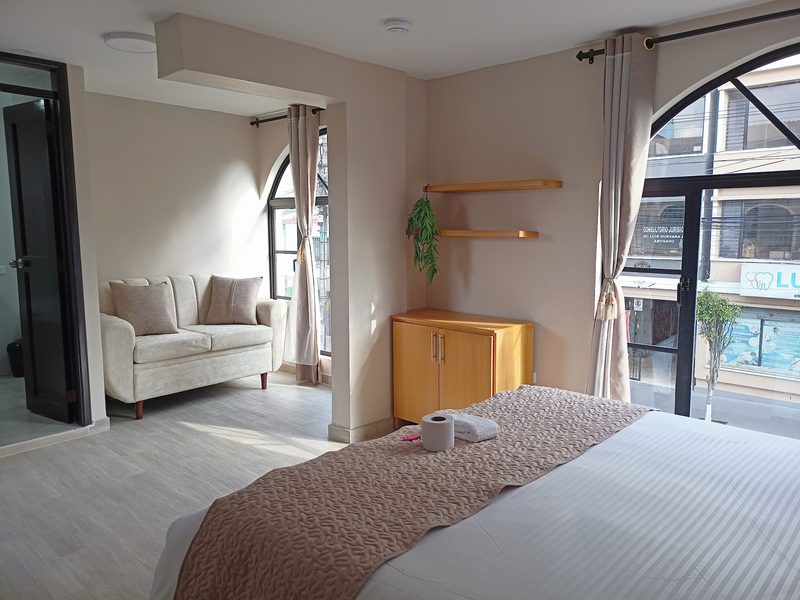
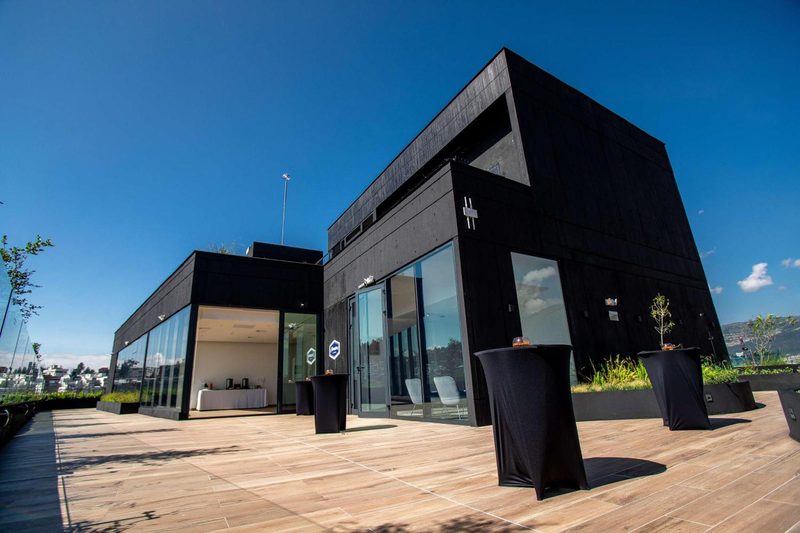
Hand-picked hotels across price tiers for September travellers.
Packing Checklist
Bookmark this page — your progress is saved between visits
Need the full list with shopping links?
Climate-specific gear, brand recommendations, and what to leave at home.
View Ecuador Packing List →Essential Tips
Insider knowledge and common pitfalls to avoid
Insider Knowledge
Fly into Guayaquil instead of Quito if you are heading to the Galápagos or the coast first. Guayaquil sits at sea level, so you skip the altitude adjustment entirely and save yourself a full day of acclimatization headaches. If Quito is your starting point, spend at least forty-eight hours doing nothing strenuous before any highland trek. Coca leaf tea from street vendors helps take the edge off the headache. Hydration and patience work better than any remedy.
Ecuador uses the US dollar as its currency, which simplifies things enormously. But ATMs outside Quito, Guayaquil, and Cuenca frequently run out of cash by late afternoon or charge steep withdrawal fees. Carry bills in smaller denominations. Taxi drivers and market vendors often cannot break anything larger than a twenty, and arguing over change in a language you might not speak fluently is a reliable way to start a bad morning.
Getting around Ecuador is more straightforward than most of South America. Quito's trolleybus system and the newer Metro line running north-south make crossing the city without taxis entirely feasible, and long-distance buses between major cities are frequent, comfortable, and remarkably affordable. That said, the historic center is best covered on foot. The streets climb steeply, and at altitude your heart rate spikes faster than you expect. Pace yourself through the narrow alleys and stop for a locro de papa when your legs ask you to.
Safety in Ecuador's cities follows a predictable pattern. Quito's historic center and the Mariscal tourist district are generally fine during daylight but need more caution after dark, on quieter side streets. Guayaquil's Malecón 2000 waterfront is well-patrolled, but neighborhoods a few blocks inland shift quickly. The practical rule is the same as most of Latin America: keep your phone in a front pocket, avoid displaying expensive gear, and use registered taxis or ride-hailing apps after sunset. For adventure activities like canyoning and rafting, travel insurance that covers evacuation from remote areas is worth arranging before you leave home. The nearest hospital to some jungle lodges is a multi-hour boat ride.
Avoid These Mistakes
Flying directly from sea level to Quito at 2,850 m (9,350 ft) and scheduling a volcano trek for the next morning. Altitude sickness hits roughly a quarter of visitors, and it takes at least a full day, ideally two, for your body to adjust. The symptoms mimic jet lag so closely that people push through them. Then at 4,500 m (14,760 ft) on Cotopaxi the headache turns into nausea and the nausea turns into a mandatory turnaround before the refuge.
Treating Ecuador as a single climate zone and packing for only one of its worlds. In the same day you could leave Quito at 14°C (57°F) in a fleece, land in Guayaquil at 31°C (88°F) in coastal humidity that sticks your shirt to your back, and reach the Amazon basin where it rains regardless of what the highland forecast says. One bag for all three means layers. Do not pack a single outfit repeated.
Assuming September's dry weather means the sun is gentle because the air feels cool. The UV index at Quito's altitude and latitude is among the highest on earth, and the mild 22°C (72°F) afternoons mask it completely. Locals wear hats and long sleeves for a reason. First-time visitors in shorts and tank tops are the ones with blistered shoulders by day two, wondering how they burned under what felt like pleasant spring weather.
Ready to plan your trip to Ecuador?
Now that you've got the research covered, here's where to go next.
Explore More Activities in Ecuador
Didn't see anything interesting yet?
Browse Viator's full catalog of tours, day trips, food experiences, and private guides in Ecuador.
See All Ecuador Tours on Viator