Things to Do in Ecuador in June
June weather, activities, events & insider tips
Shoulder Season · Good Value
June Weather in Ecuador
Long-run averages for June in Quito
69°F (21°C)
High Temp
49°F (9°C)
Low Temp
1.6 inches (41 mm)
Rainfall
79%
Humidity
13
Sunny-Day UV
⚠ The UV index reaches 13 on clear days in the highlands, which is classified as extreme. At Quito's altitude of 2,850 m (9,350 ft), the thinner atmosphere filters significantly less ultraviolet radiation. Unprotected skin can burn in under twenty minutes even when the air temperature feels mild. Sunscreen, a hat, and sunglasses are non-negotiable for any outdoor activity above 2,000 m (6,562 ft).
⚠ Altitude sickness affects a significant number of travelers arriving in Quito or heading to higher elevations around Cotopaxi and Chimborazo. Symptoms include headache, nausea, dizziness, and shortness of breath. Take the first 48 hours slowly, stay hydrated, and consult a doctor about acetazolamide before your trip if you plan to trek above 4,000 m (13,123 ft).
Making the most of June in Ecuador? Browse tours and activities in Ecuador on GetYourGuide.
Is June Right for You?
Weigh the advantages and considerations before booking
Advantages
- + June kicks off the dry season in Ecuador's highlands, and the shift from earlier months is dramatic. Quito's rainfall plummets from 6.7 inches (170 mm) in April to just 1.6 inches (41 mm). Mornings over the capital break clear and cold. Cotopaxi's glaciated cone looms visible from rooftop terraces across the city. The Andean valleys between Quito and Cuenca turn a shade of deep green that fades by August. You get both dry weather and lush landscapes. This combination lasts only a few weeks.
- + Inti Raymi, the indigenous Festival of the Sun, sweeps through the northern highlands around the June solstice. Otavalo, Cotacachi, and the villages around Cayambe erupt with ritual bathing ceremonies at waterfalls, processions in traditional dress, and communal dancing that runs well past midnight. This is one of the most culturally significant celebrations in South America. In June you witness it firsthand. No museum visit required.
- + The Galapagos Islands enter their cooler garua season in June, which sounds like a drawback until you understand what happens beneath the surface. The nutrient-rich Cromwell Current pushes up from the deep. Marine life explodes. Sea lions are pupping on the beaches of San Cristobal. Blue-footed boobies are mid-courtship on Isla de la Plata. The water temperature drops enough that wetsuits become necessary. But whale sharks start appearing off the northern islands. For snorkelers and divers, June is arguably the most rewarding month of the year.
- + Crowds at major sites are noticeably thinner than during the July-August and December-January peaks. Quito's Old Town churches have breathing room. The Otavalo Saturday market feels less frantic. Even popular Galapagos visitor sites allow space to linger. Accommodation availability is generally better. You won't need to fight for a table at Quito's established restaurants in La Floresta or La Mariscal. Book without stress.
Considerations
- − Ecuador sits on the equator, but Quito's altitude of 2,850 m (9,350 ft) means the air is thin and the UV index hits 13 on clear days. That combination catches first-time visitors off guard. The sun feels almost weightless at first. No oppressive heat. But unprotected skin can burn in under twenty minutes. Altitude headaches, shortness of breath on stairs, and disrupted sleep are common for the first 48 hours. Some travelers feel miserable until they acclimatize. Take it slow.
- − The coast and the Galapagos enter their cooler, overcast garua season in June. Guayaquil's beaches and the shoreline around Montanita sit under a gray marine layer for much of the day. Temperatures hover around 24 degrees C (75 degrees F) rather than the sunny 30 degrees C (86 degrees F) of the wet season. If you came for warm beach days, June on Ecuador's Pacific coast will likely disappoint. Consider your priorities.
- − The Amazon basin around Tena and Puyo is still transitioning out of its wetter months. River levels remain high enough for excellent rafting. Jungle trails can be muddy and humid. Afternoon downpours arrive without warning. Expect boots caked in clay. The constant low drone of mosquitoes at dusk is unavoidable. Pack repellent. Lots of it.
Short on time in June? See day trips around Ecuador on GetYourGuide.
Best Activities in June
Top things to do during your visit
Highland Volcano Trekking around Cotopaxi and Chimborazo
June's dry highland skies make this the month to tackle Ecuador's avenue of volcanoes. Cotopaxi, at 5,897 m (19,347 ft), is visible most mornings from as far away as Quito's Parque La Carolina. Its snowcap cuts sharp against blue sky in a way that rarely happens during the rainy months. You don't need to summit to appreciate it. The paramo grasslands below the snowline, around 4,000 m (13,123 ft), are windswept and golden in June. Wild horses graze there. Andean foxes appear. The air smells of damp earth and ichu grass. The silence at that altitude is so total it becomes a sound of its own. Chimborazo, technically the farthest point from the center of the earth, has a similar experience with even fewer people on the trail. June's lower rainfall means trails are firmer underfoot. The risk of being socked in by cloud is significantly reduced compared to March or April.
Booking Tip: Book guided treks at least two weeks ahead through licensed operators with altitude-certified guides. Acclimatize in Quito for a minimum of two full days before attempting anything above 4,000 m (13,123 ft). Your body needs time. See current trekking options in the booking section below.
Canyoning and Rafting Adventures in Banos
Banos de Agua Santa sits in a valley at 1,820 m (5,971 ft) where the Andes drop toward the Amazon. June is when the town earns its reputation as Ecuador's adventure capital. The Pastaza River runs strong but manageable, fed by snowmelt and the tail end of the highland rains. The canyoning routes through Cashaurco's basalt gorges have enough water flow to make the rappels dramatic without being dangerous. Descending a waterfall on a rope, cold spray hammering your helmet, the roar echoing off black volcanic rock, is not something you forget. The town itself smells perpetually of taffy being pulled at the melcocha stalls along the main street. The thermal baths that give Banos its name steam in the cool morning air. June afternoons can bring cloud cover rolling up from the Amazon side. Mornings are typically clear enough to see the Tungurahua volcano from the swing at Casa del Arbol. Get there early.
Booking Tip: Canyoning and rafting operators in Banos are plentiful. Look for those with safety certifications and equipment that appears well-maintained. Your life depends on it. Book a day or two ahead once you arrive. Current adventure tours are listed in the booking section below.
Galapagos Wildlife and Snorkeling Expeditions
The Galapagos in June is a different archipelago than the one you see in postcards from January. The garua mist settles over the highlands of Santa Cruz and Isabela, lending the islands an almost Scottish atmosphere, mossy and cool, while underwater the cooler Cromwell Current turns the snorkeling into something extraordinary. Marine iguanas are feeding actively along the rocky shoreline of Fernandina. Sea lion pups are learning to swim in the shallows of Gardner Bay. Schools of hammerhead sharks patrol the deeper channels around Gordon Rocks. The water temperature drops to around 22 degrees C (72 degrees F), which means a 5mm wetsuit is no longer optional. But the trade-off is visibility that can exceed 20 m (65 ft) on good days. On land, the waved albatross colony on Espanola is in full courtship display, their clacking bills audible from fifty meters away.
Booking Tip: Galapagos trips require planning well ahead. Book liveaboard cruises or island-hopping itineraries at least six to eight weeks in advance for June departures. All visitors need a Galapagos Transit Control Card and pay the park entrance fee on arrival. See current Galapagos tour options in the booking section below.
Quito Old Town Food and Cultural Walking Tours
Quito's centro historico is the largest and best-preserved colonial district in the Americas, and June's dry weather means you can spend a full day wandering it without ducking into doorways every hour. The churches alone would justify the trip. The Compania de Jesus, its interior so heavily gilded that the first glimpse through the doorway stops you in your tracks. San Francisco, whose cloister smells of old wood and candle wax and has been standing since the 1530s. But the real revelation is the food. A bowl of locro de papa, the thick potato and cheese soup that Quitenos eat on cool mornings, served from a market stall in Mercado Central with a spoonful of aji criollo that burns clean and bright, is worth more than any restaurant meal you will eat on this trip. June evenings in the old town drop to around 9 degrees C (49 degrees F), and the streets empty early, leaving the plazas lit by colonial lanterns with almost nobody in them. The cold is sharp enough that you will want canelazo, the hot sugarcane and cinnamon drink spiked with aguardiente, from the vendors near Plaza Grande.
Booking Tip: Walking food tours of Quito's old town typically run three to four hours and cover markets, street stalls, and traditional restaurants. Book a few days ahead. Morning departures are ideal because the markets are freshest and the light in the colonial streets is at its best. See current food tour options in the booking section below.
Cloud Forest Birding and Hiking in Mindo
Mindo sits at around 1,250 m (4,100 ft) on the western slope of the Andes, where the highland dry season translates into fewer afternoon downpours without drying out the cloud forest canopy. The result in June is trails that are damp but passable, morning mist that burns off by ten, and bird activity that borders on absurd. Ecuador has more bird species per square kilometer than any country on earth, and Mindo is where that fact becomes tangible. The sound at dawn is a layered wall of calls. Toucans. Tanagers. The metallic tink of the Andean cock-of-the-rock displaying at its lek site. Hummingbird feeders at the lodges along the Mindo road attract fifteen or more species before breakfast, and the wet green smell of the forest floor, decomposing leaves and orchid roots and moss, is thick enough to taste. Chocolate farms in the valley offer cacao tastings where you eat the raw fruit straight from the pod, the pulp tart and almost citrusy, nothing like processed chocolate.
Booking Tip: Birding guides in Mindo should be booked at least a week in advance, for dawn lek visits. Look for guides who know the specific trail access points and can identify calls. Mindo is a two-hour drive from Quito, making it feasible as a day trip but far better as an overnight. See current cloud forest tours in the booking section below.
Amazon Rainforest Expeditions from Tena
Tena, at 500 m (1,640 ft) in the Napo Province, is the way into Ecuador's accessible Amazon, and June sits at the transition between the wet and drier seasons. River levels on the Napo and Jatunyacu are still high enough for whitewater rafting through Class III and IV rapids, the kind of rapids where you can hear the roar around the bend before you see the drop, and the warm spray hits your face like a wall. The jungle around Tena is dense, humid, and loud. At dusk the frogs start, a chorus so layered it sounds electronic, and the air fills with the sweet rot of tropical vegetation and the sharper note of wild ginger. Guided jungle walks reveal details invisible to solo hikers. The blue poison dart frog sitting motionless on a fallen log. The line of leaf-cutter ants hauling fragments ten times their size along a trail they have carved into the forest floor. June's residual rains keep the forest at peak lushness, and the rivers run a milky brown that the locals say means good fishing.
Booking Tip: Amazon lodges and multi-day excursions from Tena should be arranged at least two weeks ahead. Confirm that your operator is community-affiliated and employs indigenous Kichwa guides, who know the forest at a level no outsider guide matches. See current Amazon experiences in the booking section below.
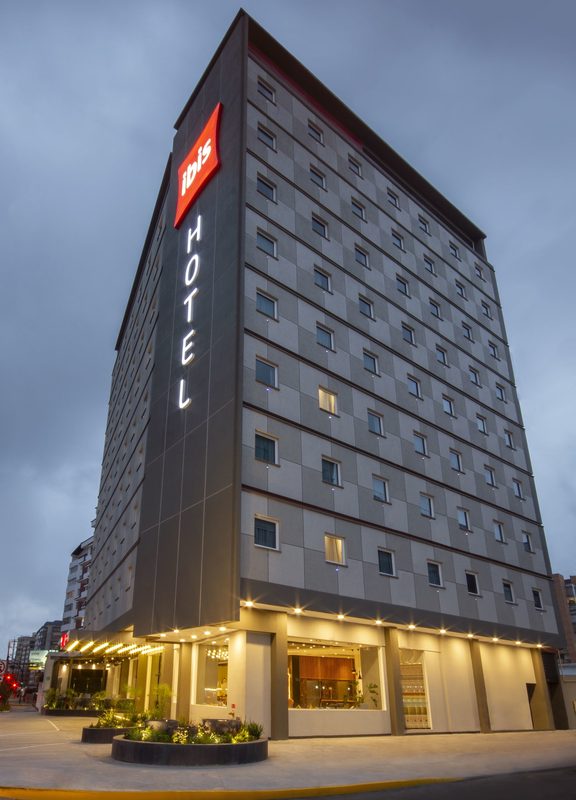
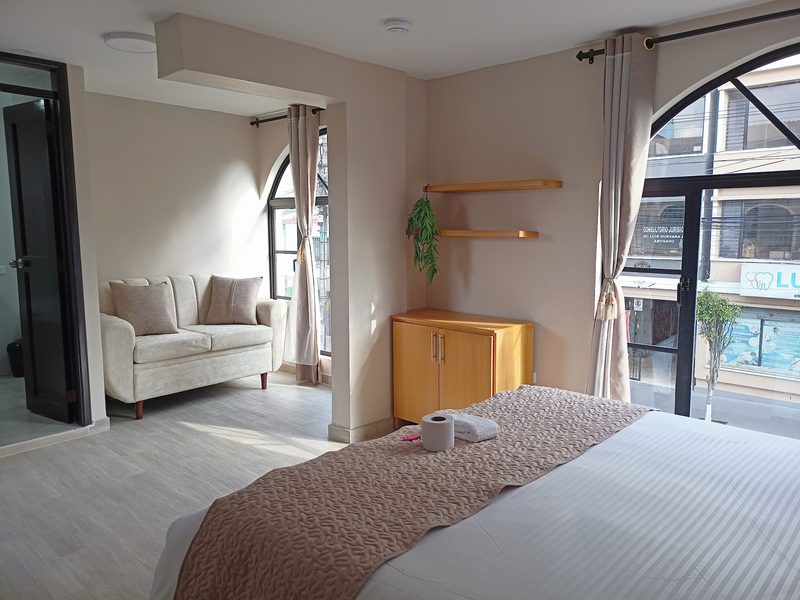
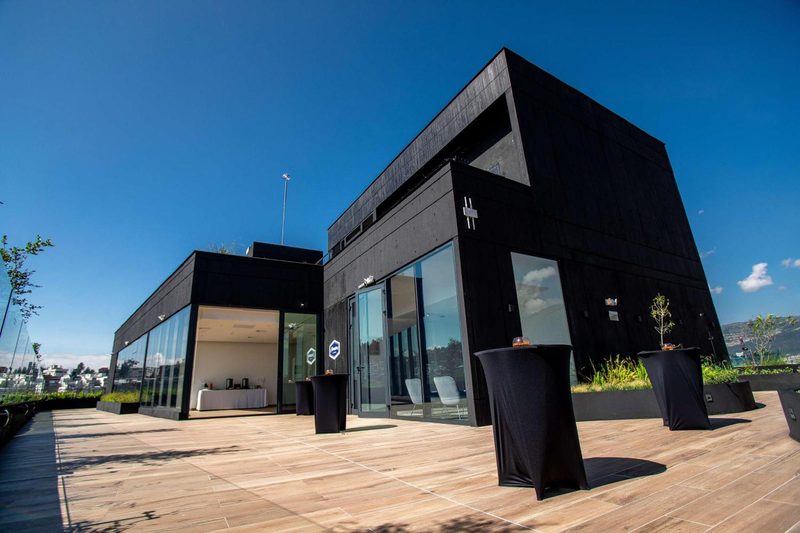
Where to Stay in Ecuador in June
Hand-picked hotels across price tiers for June travellers.
Packing Checklist
Bookmark this page — your progress is saved between visits
Need the full list with shopping links?
Climate-specific gear, brand recommendations, and what to leave at home.
View Ecuador Packing List →Essential Tips
Insider knowledge and common pitfalls to avoid
Insider Knowledge
The equator means sunrise and sunset barely shift all year. Both land close to six AM and six PM. Plan outdoor activities around this fixed window. The best light for photography in Quito's old town hits the Compania de Jesus facade around seven thirty in the morning. By four PM the colonial streets fall into shadow. Locals eat almuerzo, the set lunch, between noon and two. This is when restaurants serve their best food at their lowest relative cost.
Altitude sickness is the single most underestimated risk for travelers arriving in Quito. The city sits at 2,850 m (9,350 ft). Even fit travelers notice the breathlessness on stairs. Spend your first two days in Quito before heading higher. Drink coca or guayusa tea instead of coffee. Eat light. Avoid alcohol for the first night. If you are heading to the Galapagos or the coast first and Quito second, you will still need to acclimatize when you return to the highlands.
June is one of the best months to drive the Ruta de los Volcanes between Quito and Riobamba. Clear June mornings are more likely than in any month from January through May. The road offers views of Cotopaxi, Chimborazo, Tungurahua, and the Illinizas in a single day. The paramo grasslands along the route are golden and windswept. Roadside stalls sell fresh cheese and mote, the giant-kernel corn that Ecuadorians eat boiled with salt. Leave Quito before seven AM. Clouds tend to build around the summits by early afternoon.
Otavalo's famous Saturday market is worth the trip from Quito, about two hours north. The animal market starts at five thirty in the morning. It winds down by nine. By ten AM the textile market in Plaza de los Ponchos is crowded with day-trippers. Arrive early enough to hear the pigs squealing. Smell the wood smoke from food stalls serving breakfast bowls of caldo de gallina. You will see Otavalo as a working indigenous market rather than a souvenir bazaar.
Avoid These Mistakes
Do not pack for the equator as if it means tropical heat. Quito is cooler than San Francisco in June. First-time visitors arrive in shorts and sandals. They spend their first afternoon shivering in a pharmacy buying a sweater. The highlands need layers. Bring a warm jacket for mornings and evenings. Pack something windproof for exposed volcano trails.
Do not try to combine the Galapagos, the Amazon, the highlands, and the coast in a single week. Ecuador is small on the map but the terrain is vertical. A bus from Quito to Banos takes four hours on switchback mountain roads, not the ninety minutes the distance might suggest. A realistic two-week itinerary covers two of these four regions well. Trying to do all four means spending most of your trip in transit. You will arrive exhausted at each stop.
Do not skip sun protection because the air feels cool. At Quito's altitude, the UV index of 13 on clear June days is higher than most tropical beaches at sea level. The thin air filters less radiation. The cool temperature removes the warning signal of feeling hot. Locals wear hats and long sleeves for a reason. Apply sunscreen before you leave your accommodation. Do not wait until you start to feel the burn. By then the damage is already done.
Ready to plan your trip to Ecuador?
Now that you've got the research covered, here's where to go next.
Explore More Activities in Ecuador
Didn't see anything interesting yet?
Browse Viator's full catalog of tours, day trips, food experiences, and private guides in Ecuador.
See All Ecuador Tours on Viator