Things to Do in Ecuador in January
January weather, activities, events & insider tips
Shoulder Season · Good Value
January Weather in Ecuador
Long-run averages for January in Quito
70°F (21°C)
High Temp
49°F (9°C)
Low Temp
3.2 inches (81 mm)
Rainfall
82%
Humidity
15
Sunny-Day UV
⚠ Quito's UV index hits 15 at 2,850 m (9,350 ft). Among Earth's most extreme readings. Cloud cover barely reduces UV at equatorial altitude. Unprotected skin burns in under fifteen minutes at midday. The cool highland air masks damage until hours later. Wear high-SPF sunscreen and a hat immediately. Clouds mean nothing here.
⚠ Flash flooding is real. Coast and river valleys like Baños and Tena face January rain events. Lowland roads around Guayaquil and the southern coast become impassable within hours. River levels in the Pastaza and Napo basins spike overnight. Check local conditions before river activities. Avoid camping near waterways. Never ford flooded roads.
Making the most of January in Ecuador? Browse tours and activities in Ecuador on GetYourGuide.
Is January Right for You?
Weigh the advantages and considerations before booking
Advantages
- + The Galápagos warm season kicks in, raising water temperatures to roughly 24-25°C (75-77°F) and making snorkeling comfortable rather than the teeth-chattering experience of the garúa months. Marine iguanas on Española flush red and teal-green during breeding. Green sea turtles start hauling ashore to nest on sandy beaches you might have nearly to yourself.
- + January is the lightest wet-season month in the highlands, with only 81 mm (3.2 inches) of rain in Quito compared to the 170 mm (6.7 inches) that April dumps. Most mornings dawn clear and cool. You get a solid four to five hours of blue sky before afternoon clouds roll in from the east. If you're going to visit during Ecuador's rainy season, this is the month that treats you most gently.
- + After the Christmas and New Year rush clears out in the first week, accommodation rates across the Sierra and coast tend to soften noticeably. The Galápagos never gets cheap. January availability is easier to secure than the June-through-September wildlife peak, and you still get outstanding animal encounters.
- + Highland markets overflow with seasonal fruit that rarely makes it out of Ecuador: naranjilla with its sour-sweet orange pulp, the perfumed granadilla whose seeds pop between your teeth, and tree tomato sliced into salads or blended into juice so tart it makes your eyes water. January is when the growing season hits its stride at altitude. The stalls at Quito's Mercado Central and Otavalo's Plaza de los Ponchos show it.
Considerations
- − Afternoon rain is a near-daily reality in the highlands from January onward. Showers tend to arrive between 1 PM and 4 PM, sometimes as brief downpours that clear in twenty minutes, sometimes as grey drizzle that swallows the rest of your day. This compresses your reliable outdoor window to mornings. It takes some adjusting if you are the type who likes to sleep in.
- − Ecuador's security situation has been volatile in recent years, in Guayaquil and parts of the coastal lowlands. Quito's tourist core and the Sierra highlands remain considerably calmer. But travelers should stay current on advisories, stick to well-trafficked areas after dark, and avoid intercity road travel at night. The situation has been improving. It demands more awareness than neighboring Colombia's major tourist corridors currently do.
- − The equatorial sun at altitude is dangerous. With a UV index of 15 in Quito at 2,850 m (9,350 ft), unprotected skin can burn in under fifteen minutes even when clouds make the air feel cool. First-time visitors consistently underestimate this. The temperature reads a mild 21°C (70°F) and the breeze feels pleasant. The sunburn hits hours later.
Short on time in January? See day trips around Ecuador on GetYourGuide.
Best Activities in January
Top things to do during your visit
Galápagos Islands Snorkeling and Wildlife Encounters
January opens the Galápagos warm season, and the difference underwater is immediate. The Humboldt Current loosens its grip, surface temperatures climb into the mid-twenties Celsius (mid-seventies Fahrenheit), and you can float alongside sea lions off Isla Lobos without a wetsuit for the first time since May. The real draw, though, is what is happening on land. Marine iguanas on Española enter breeding season and flush an almost unbelievable red and green, like someone hand-painted each one. Green sea turtles haul onto the black sand beaches of Floreana to nest, and if your timing is right, you will watch a female the size of a coffee table dig her chamber at dusk. Visibility underwater tends to be slightly lower than the cool season because plankton blooms attract more marine life. That trade-off is the whole point. The plankton brings whale sharks to the northern islands and mantas to cleaning stations at Cousins Rock. January crowds are moderate, well below the June-September naturalist-trip peak. Zodiac landings feel less like queuing at an airport.
Booking Tip: Galápagos itineraries should be locked in at least two to three months ahead for January departures. Park regulations require a certified naturalist guide on every island visit. Look for operators with Galápagos National Park authorization. Multi-day live-aboard cruises cover more islands than land-based day trips. Check the booking section below for current departures and availability.
Baños de Agua Santa Canyoning and River Adventures
Baños sits in a volcanic valley at 1,820 m (5,971 ft) where the Andes crumble into the Amazon basin, and January catches the rivers in their sweet spot: full enough from early rains to run exciting Class III-IV rapids on the Pastaza. But not yet the churning brown torrents that March and April bring. Canyoning in the Cashaurco gorge drops you through waterfalls into pools so cold they knock the air out of your lungs, the mist hanging in the canyon like smoke while the basalt walls tower overhead slick with moss. The town itself smells of sugarcane being boiled into melcocha, the taffy-like candy that vendors pull by hand on wooden hooks outside shops along the main drag. After a day of getting thrown around by water, you lower yourself into the thermal pools fed by Tungurahua volcano's geothermal seams, the sulfurous water hot enough to redden your skin, and watch clouds settle into the valley below. The walk out to Pailón del Diablo waterfall, where the spray soaks you thirty metres (a hundred feet) before you reach the viewing platform, is worth the wet shoes.
Booking Tip: Adventure outfitters in Baños are everywhere. But quality varies sharply. Look for operators with certified rescue-trained guides and inspect equipment before committing, harness condition and helmet fit. Book a day or two ahead once you arrive in town. Current canyoning and rafting options are listed in the booking section below.
Mindo Cloud Forest Birding and Canopy Walks
Two hours northwest of Quito, the road drops from the parched inter-Andean valley into Mindo's cloud forest at around 1,200 m (3,937 ft). The temperature rises. The air thickens with moisture. The noise shifts from honking Quito traffic to a wall of insect and bird calls that never quite stops. January is prime birding. Booted Racket-tails and Violet-tailed Sylphs mob the feeders at dawn, their iridescent throats flashing in the first light. The cock-of-the-rock leks are active. The males' absurd orange crests bob in competitive display at specific spots the local guides know by heart. The cloud forest in January is lush to the point of excess. Every branch drips with epiphytes and orchids just coming into bloom. The trails are muddy enough that you feel the forest working on you. Canopy walkways strung between ceiba trees put you at eye level with toucans and tanagers that you would never spot from the ground. The humidity sits close to saturation. Your binoculars fog constantly. Your clothes stay damp from the moment you step into the trees. That is the price of seeing one of the most biodiverse square kilometres on Earth at its most alive.
Booking Tip: Serious birders should arrange a local guide at least a week ahead for January. The best guides book up during peak migratory season. Dawn starts around 5:30 AM are non-negotiable for the best sightings. Bring a scope if you have one. General cloud forest tours are available in the booking section below.
Quito Old Town Food and Walking Tours
Quito's colonial centre is the first place UNESCO ever designated a World Heritage Site, back in 1978. On a clear January morning it earns that status within five minutes of walking. The Plaza Grande opens up between the Presidential Palace and the Cathedral. The volcanic stone facades catch the equatorial light at an angle that turns them gold. Pigeons wheel above the carved balconies. Step inside La Compañía de Jesús. Seven tonnes of gold leaf on the walls and ceiling hit you with a physical sensation closer to vertigo than admiration. The real January experience in Quito's old town is eating your way through it. The food stalls around Mercado Central serve locro de papa. The thick potato-and-cheese soup comes topped with half an avocado and a scatter of popcorn that crunches against the creamy broth. You eat it standing at a metal counter while vendors shout over each other. Walk down La Ronda in the evening. The narrow colonial lane is lit by wrought-iron lamps. The air carries canelazo. The hot sugarcane-and-cinnamon drink is spiked with aguardiente that warms you against the 9°C (49°F) night air dropping off the flanks of Pichincha.
Booking Tip: Walking tours of Quito's colonial core work best starting at 8 or 9 AM. Afternoon clouds settle in and rain scatters the crowds. Three to four hours covers the main plazas, churches, and market stops without feeling rushed. Licensed guides know which market stalls to trust. See available food and walking tours in the booking section below.
Otavalo Highland Market and Indigenous Culture
Otavalo's Plaza de los Ponchos has been a trading ground for the Kichwa Otavaleño people since well before the Spanish arrived. On Saturday mornings the market swells to fill every surrounding street with textiles, produce, and livestock. January is a good month for it. Tourist density is manageable compared to the June-August peak. You can linger at the weaving stalls where women in embroidered blouses and wrapped anacu skirts explain the natural dyes. Cochineal gives the deep reds. Indigo gives blues so dark they look black until the light catches them. The animal market starts before dawn at the edge of town. Pigs squeal as they change hands. The smell of hay and damp wool is thick in the cold mountain air at 2,532 m (8,307 ft). Otavalo sits in a valley flanked by the Imbabura and Cotacachi volcanoes. Both are visible on clear January mornings before the clouds build. Their peaks are sometimes dusted with the last of the dry-season snow. The town itself is quiet by Ecuadorian standards. The walk around Laguna San Pablo, about 4 km (2.5 miles) of path circling the reed-fringed lake below Imbabura, is one of the most peaceful hours you will spend in the highlands.
Booking Tip: Saturday is the only day worth the trip for the full market experience. Smaller textile stalls operate daily. Otavalo is about two hours north of Quito by road. Day tours leave early enough to catch the animal market at dawn. Book a few days ahead. Tour options are in the booking section below.
Upper Amazon Whitewater Rafting from Tena
Tena sits at 500 m (1,640 ft) where the Andes flatten into the Amazon basin. In January the Jatunyacu and Misahuallí rivers run at levels that make Class III rapids accessible to intermediate paddlers without the terrifying volume that arrives in March. The drop from Quito's cool highlands to Tena's tropical heat takes about four hours by road. The temperature shift is disorienting. You leave 9°C (49°F) morning fog and arrive in 30°C (86°F) humidity so thick the air feels like warm water on your skin. Rafting here is not the polished, safety-briefing-heavy experience you might find in Costa Rica. The rapids are genuine. The jungle presses in from both banks with ceiba trees trailing lianas into the current. The sound between rapids is howler monkeys and the slap of paddles on flat water. January afternoons bring thunderstorms that roll down the valley with a metallic smell of ozone and a wall of rain visible from a kilometre away. Morning departures are standard. A full day on the water with lunch on the riverbank, grilled tilapia wrapped in bijao leaves with rice and green plantain, is the kind of thing you remember longer than any church or museum.
Booking Tip: Rafting operators in Tena range widely in equipment quality and guide certification. Insist on helmets, life jackets, and a safety kayaker for any Class III or above run. Book a day or two ahead in January. Current rafting options are listed in the booking section below.
Where to Stay in Ecuador in January
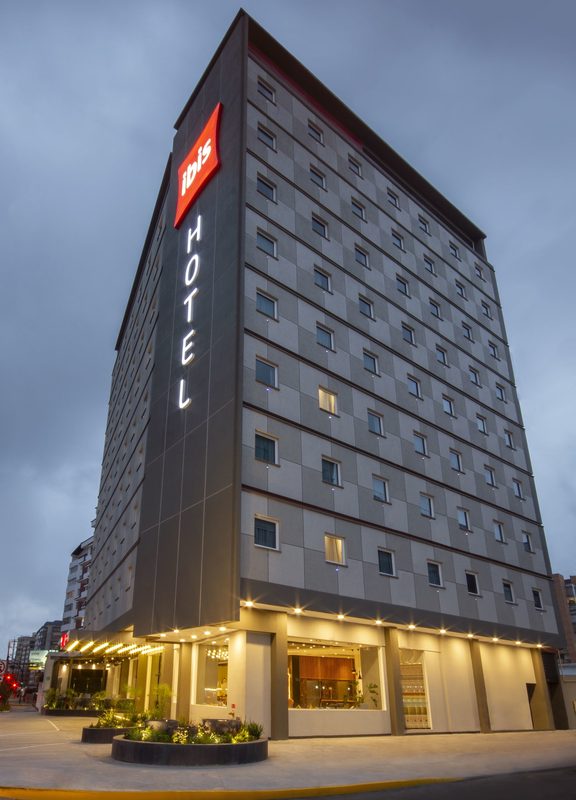
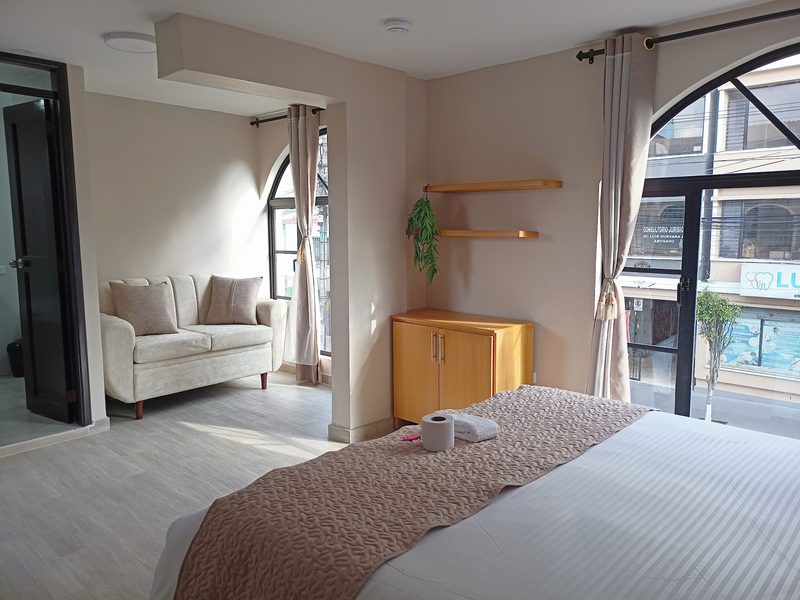
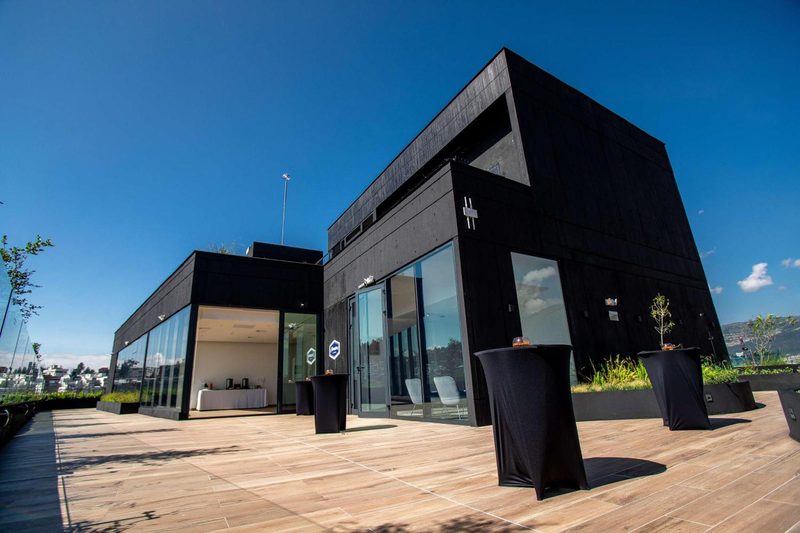
Hand-picked hotels across price tiers for January travellers.
Public Holidays in January
Dates that affect opening hours, transport and crowds
Año Nuevo
Known in English as New Year's Day. Observed nationwide as a public holiday.
Año Nuevo
Known in English as New Year's Day. Observed nationwide as a public holiday.
Packing Checklist
Bookmark this page — your progress is saved between visits
Need the full list with shopping links?
Climate-specific gear, brand recommendations, and what to leave at home.
View Ecuador Packing List →Essential Tips
Insider knowledge and common pitfalls to avoid
Insider Knowledge
Ecuador uses the US dollar. Simple for Americans. A trap for everyone else. ATMs outside Quito, Guayaquil, and Cuenca fail often. They run out of cash. Carry smaller bills. Vendors and taxi drivers in smaller towns cannot break anything larger than a twenty. They mean it.
Morning timing matters more than guidebooks admit. Highland skies stay clear until around 1 PM in January. Then clouds pile from the east. Rain follows within the hour. Locals and experienced travelers front-load their days. Dawn markets. Outdoor sightseeing by 8 AM. Indoor activities or late lunch for the afternoon washout. Fight this pattern and suffer.
Encebollado is Ecuador's great hangover cure and possibly its best dish. Tuna and yuca fish soup. Pickled red onion on top. Chifles, crispy plantain chips, on the side. The real version lives on the coast. Guayaquil and Esmeraldas fishing towns do it right. Highland restaurants serve something else entirely. Hit the coast, find a market stall before noon. The broth is fresh. The yuca still holds.
Approach Galápagos last-minute deals carefully. Quito agencies sell discounted cabin space on boats departing within days. Savings can be real. January is wrong for this gamble. Warm season brings enough demand. Unsold cabins are rarer than in September or October. Book ahead. Pay the price. Or burn your Galápagos budget on standby nights in Puerto Ayora.
Avoid These Mistakes
Do not underestimate Quito's altitude on day one. At 2,850 m (9,350 ft), your body gets roughly 27 percent less oxygen than at sea level. Travelers land at midnight. They sleep poorly. Their lungs work harder. Next morning they ride the Teleférico cable car to 4,100 m (13,451 ft). Splitting headaches and nausea follow. Two days ruined. Give yourself 48 hours of gentle walking before going higher.
Do not pack for the equator and ignore the altitude. First-timers assume equatorial means hot. They pack only shorts and sandals. Then they step into Quito at 6 AM. The temperature is 9°C (49°F). They shiver in restaurants, waiting for sun to crest the valley walls. A single January day spans temperatures many travelers pack for across an entire Southeast Asia trip.
Ecuador defies simple climate labels. Coast, highlands, Amazon jungle, and the Galápagos all fit inside an area smaller than Nevada. January in Guayaquil at sea level runs hot, humid, 30°C or 86°F, with heavy rain. Quito at altitude delivers cool, dry mornings and mild afternoons. Same month. Same country. No resemblance. Travelers packing one wardrobe for the whole trip end up uncomfortable everywhere. Pack layers.
Ready to plan your trip to Ecuador?
Now that you've got the research covered, here's where to go next.
Explore More Activities in Ecuador
Didn't see anything interesting yet?
Browse Viator's full catalog of tours, day trips, food experiences, and private guides in Ecuador.
See All Ecuador Tours on Viator