Things to Do in Ecuador in October
October weather, activities, events & insider tips
Low Season · Budget Friendly
October Weather in Ecuador
Long-run averages for October in Quito
71°F (21°C)
High Temp
49°F (9°C)
Low Temp
4.5 inches (114 mm)
Rainfall
80%
Humidity
15
Sunny-Day UV
⚠ Equatorial UV radiation at Quito's 2,850 m (9,350 ft) altitude causes severe sunburn through cloud cover within 30 minutes of unprotected exposure. The intensity is dramatically higher than sea-level tropical destinations. Overcast skies offer almost no protection. Sunscreen and a hat are medical necessities, not optional comfort items. Pack both. Use both.
⚠ October afternoon storms in the Sierra can produce localized flash flooding in narrow river valleys and canyon systems, around Baños. If water levels rise suddenly during a canyoning or rafting excursion, follow your guide's instructions immediately. Licensed operators monitor weather upstream and will cancel or reroute activities when conditions deteriorate. Trust your guide.
⚠ Altitude sickness affects a significant minority of sea-level arrivals to Quito and worsens dramatically above 3,500 m (11,483 ft). Symptoms include headache, nausea, insomnia, and shortness of breath. Do not ascend to Cotopaxi, Quilotoa, or other high-altitude sites within your first 48 hours in the country. Travelers with heart or lung conditions should consult a physician before booking highland excursions. Take it slow.
Making the most of October in Ecuador? Browse tours and activities in Ecuador on GetYourGuide.
Is October Right for You?
Weigh the advantages and considerations before booking
Advantages
- + October lands in Ecuador's shoulder season. Accommodation rates across the Sierra and the coast drop noticeably from the June-September peak. You can often walk into places in Quito's La Mariscal or Cuenca's historic center that would have needed reservations a month earlier. The travel infrastructure runs at full capacity. Fewer people are using it.
- + The highlands are lush and intensely green after months of intermittent rain. October's cloud patterns break up dramatically over the Avenue of Volcanoes. On mornings when Cotopaxi's 5,897 m (19,347 ft) cone clears, the contrast between its glacial cap and the emerald páramo below is sharper than anything you will see in the drier months. Haze dulls the valleys then.
- + The Galápagos Islands are transitioning from the cooler garúa season into the warmer wet season. Ocean temperatures are starting to climb while underwater visibility remains strong. This overlap window brings both the cold-current species like Galápagos penguins and the warm-water arrivals together. The seas are generally calmer than the choppier August-September period.
- + Ecuador's October long weekend, built around Guayaquil's Independence Day on October 9 and the Día de la Interculturalidad on October 12, often stretches into a four-day holiday. Cities fill with parades, street food vendors, and a festive energy you simply will not encounter if you visit in, say, August. This is one of the few windows where Ecuadorians themselves are traveling domestically. The country feels like it is celebrating rather than just operating.
Considerations
- − Quito's October afternoons bring rain roughly as often as not. When the downpours arrive they are not gentle drizzles. Sheets of cold rain sweep across the city from the western cordillera, turning steep colonial streets in the Centro Histórico into temporary streams. The temperature drops fast. You will want a layer you did not think you needed at breakfast. Outdoor plans from about 2 PM onward require genuine flexibility.
- − The transition season means cloud cover sits stubbornly over the high volcanoes for days at a time. If your entire trip hinges on a clear summit view of Cotopaxi or Chimborazo, October will test your patience. Some visitors wait three or four days without a full reveal. If your itinerary is tight, that gamble may not pay off.
- − Trails in the highlands and the cloud forest around Mindo get muddy enough in October that casual sneakers become a liability. The paths to waterfalls near Baños and the birding trails around the Bellavista area turn slick after consecutive rainy afternoons. Without proper footwear you will spend more time watching your footing than watching birds or scenery.
Short on time in October? See day trips around Ecuador on GetYourGuide.
Best Activities in October
Top things to do during your visit
Canyoning and Waterfall Rappelling in Baños de Agua Santa
October's rainfall feeds the cascades around Baños to their most dramatic volumes. The Cashaurco canyon system in particular runs with a force that dry-season visitors never experience. You are rappelling down rock faces with water thundering beside you, the mist soaking through your wetsuit, the roar loud enough that your guide communicates with hand signals. The town of Baños sits at roughly 1,820 m (5,971 ft) on the flanks of the active Tungurahua volcano. In October the thermal springs that give the town its name feel earned after a morning of lowering yourself through vertical gorges. The air smells of wet volcanic rock and eucalyptus. The cloud forest canopy above the canyons stays dripping and impossibly green. Operators run morning departures to beat the afternoon rain. Group sizes tend to be smaller than in peak months, meaning less waiting at the rappel points.
Booking Tip: Book at least a week ahead through licensed operators with certified guides and full safety equipment. October's smaller crowds mean you can often arrange semi-private groups. See current options in the booking section below for verified canyoning experiences.
White-Water Rafting on the Upper Amazon Tributaries from Tena
Tena, the self-proclaimed cinnamon capital of Ecuador, sits at the edge of the Amazon basin. Rivers like the Jatunyacu and the Misahuallí swell with October rain into Class III and IV rapids that make the dry-season float trips feel tame by comparison. The water runs tea-colored from tannins, warm enough that a splash to the face is not punishment but relief from the humid jungle air. Between rapids, the jungle walls close in on both sides. Howler monkeys break the silence from somewhere in the canopy you cannot quite see. The sweet rot smell of decomposing vegetation mixes with the mineral scent of churned river. The Jatunyacu in particular is broad enough to be forgiving for intermediate rafters while still delivering genuine adrenaline on its bigger drops. October is arguably the ideal month here. Water levels are high enough for powerful rapids but not yet at the November-December peak that can push some sections beyond safe commercial limits.
Booking Tip: Book three to five days ahead. Licensed rafting operators run daily morning departures from Tena, and most include lunch prepared on a riverside beach. Confirm that your operator carries river rescue certification and provides helmets, life jackets, and wetsuits. Check the booking section below for current availability.
Quito Old Town Food Walking Tours
Quito's Centro Histórico eats differently in October than in the drier months. The cool mornings, hovering near 9°C (49°F) at dawn, drive locals toward the covered market stalls of Mercado Central for bowls of locro de papa, a thick potato soup enriched with cheese and avocado that fogs your glasses the moment you lean over it. The smell of roasting pork from hornado vendors fills the narrow streets between the Iglesia de la Compañían and the Plaza Grande. The texture of mote, the oversized hominy corn that appears alongside almost everything, is something you either take to immediately or need a second encounter to appreciate. Walking food tours through this neighborhood cover roughly 3 km (1.9 miles) over three to four hours, winding through streets where the cobblestones are slick with morning mist and colonial balconies drip bougainvillea overhead. October's cooler temperatures make this the most comfortable season for a walking food tour, since Quito's equatorial sun at 2,850 m (9,350 ft) altitude can exhaust you fast on a clear July day. Go in the morning. By 2 PM, the clouds typically close in.
Booking Tip: Morning departures fill first, around the October 9 holiday weekend. Book five to seven days ahead. Wear shoes with grip for wet cobblestones. Current guided food experiences are listed in the booking section below.
Cloud Forest Birding and Hiking in the Mindo Valley
The cloud forest corridor northwest of Quito drops from the highland páramo at around 3,500 m (11,483 ft) into the subtropical Mindo valley at 1,250 m (4,101 ft), and October turns this gradient into one of the most biodiverse corridors on the planet in full, saturated bloom. The air at Mindo feels thick, almost drinkable, heavy with moisture and the scent of orchids and decaying bromeliads. Hummingbirds, over forty species in this single valley, are hyperactive in October as flowering peaks. The sound of their wings at a feeding station is a high-pitched mechanical whir that seems too loud for something that weighs less than a coin. Toucans crash through the canopy with all the subtlety of a falling branch. The trails are muddy, legitimately so. But the payoff is that resident bird species are joined by migratory arrivals, pushing the daily species count for a serious birder well above a hundred. Morning fog lifts slowly through the canopy like a stage effect. By midday the light filtering through the trees is the kind of diffused green that makes everything look like a nature documentary.
Booking Tip: Arrange a local naturalist guide at least a week ahead for the best birding routes, as the most knowledgeable guides book up even in shoulder season. Bring binoculars. Bring a waterproof layer for your camera. See available Mindo experiences in the booking section below.
Galápagos Islands Wildlife Expeditions
October in the Galápagos catches the archipelago in a climate crossover that wildlife enthusiasts specifically target. The Humboldt Current is still delivering nutrient-rich cold water, keeping marine iguanas well-fed and sea lions active around the rocky shores of Isabela and San Cristóbal, while surface temperatures are beginning to warm, which brings in green sea turtles and reef fish species that disappear in the cooler months. On land, blue-footed boobies are deep into their courtship displays, lifting those absurd turquoise feet in a slow-motion dance that looks choreographed. The air on the islands is dry and carries the faint sulfur tang of volcanic rock baking in equatorial sun, with gusts of salt spray when the wind picks up on exposed points like Punta Suárez on Española. Snorkeling visibility runs around 12-18 m (39-59 ft), not the absolute peak of the warm season but strong enough to watch Galápagos penguins torpedo past you underwater, which is a surreal experience at a latitude sitting directly on the equator. October visitor numbers are lower than the July-August and December-January peaks, which means zodiac landings on regulated visitor sites feel less like queuing and more like arriving.
Booking Tip: Galápagos trips require booking well ahead, ideally two to three months, even in shoulder season. Last-berth deals on live-aboard vessels sometimes appear two to three weeks out in October. But relying on this is a gamble. All visitors need a Galápagos transit control card. All visitors pay a park entrance fee on arrival. Check the booking section below for current expedition options.
Cotopaxi National Park and Avenue of Volcanoes Day Treks
The Avenue of Volcanoes, the twin cordillera corridor that Humboldt named in 1802, stretches south from Quito through some of the highest volcanic landscapes accessible by road on the continent. Cotopaxi's perfect cone rises to 5,897 m (19,347 ft), and on October mornings when the clouds cooperate, it appears framed at the end of the valley like an illustration of what a volcano should look like. The refuge hike climbs from the parking area at 4,500 m (14,764 ft) to the José Rivas refuge at 4,864 m (15,958 ft), and October's thinner air hits hard. The altitude steals your breath in a way that sea-level fitness does not prepare you for. The páramo grass crunches underfoot with frost that does not melt until mid-morning. Wild horses graze the lower slopes, and the endemic Andean gull wheels overhead with a cry that carries across the empty caldera. The trade-off in October is cloud cover. Mornings before 10 AM offer the best chances of a clear summit view. By early afternoon the mountain has typically wrapped itself in a grey quilt that does not lift until the next dawn. Plan for early starts and treat a full reveal as a bonus, not a guarantee.
Booking Tip: Day trips from Quito run roughly three to four hours each way, so start before dawn to maximize your clear-sky window. Operators provide transport to the parking area and guides for the refuge hike. Altitude acclimatization in Quito for at least two days before attempting this is strongly recommended. See current Cotopaxi experiences in the booking section below.
Where to Stay in Ecuador in October
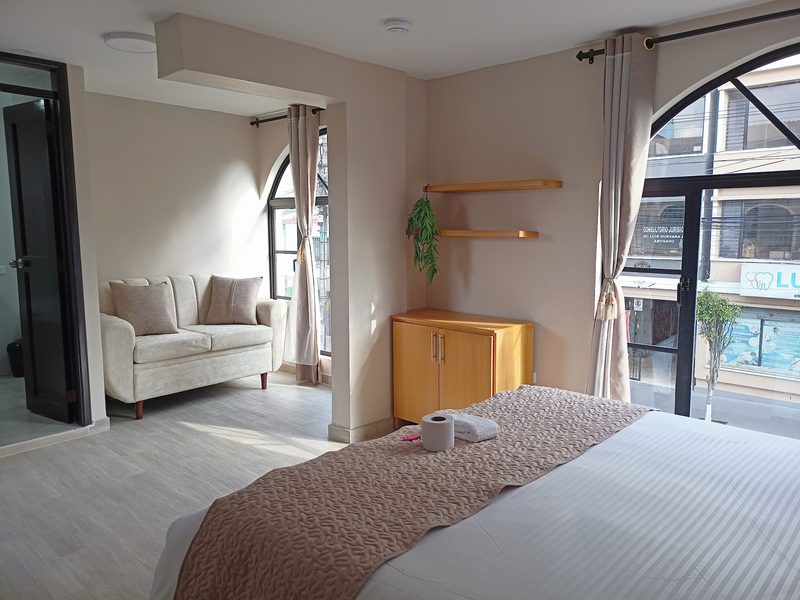
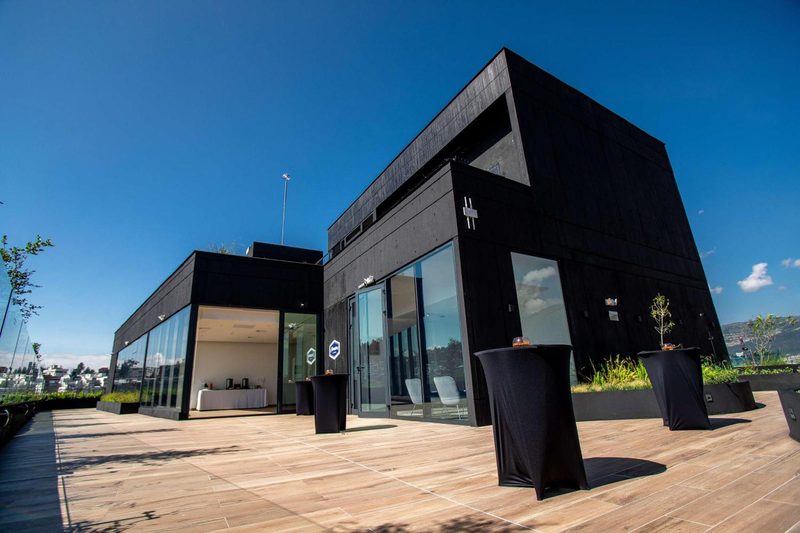
Hand-picked hotels across price tiers for October travellers.
Public Holidays in October
Dates that affect opening hours, transport and crowds
Packing Checklist
Bookmark this page — your progress is saved between visits
Need the full list with shopping links?
Climate-specific gear, brand recommendations, and what to leave at home.
View Ecuador Packing List →Essential Tips
Insider knowledge and common pitfalls to avoid
Insider Knowledge
Quito sits almost exactly on the equator at 2,850 m (9,350 ft), which means October mornings are reliably clear and cool, with the best light for photography hitting colonial churches in the Centro Histórico between 7 and 9 AM. Schedule every outdoor highlight before noon and every museum, market, or indoor activity for the afternoon. Locals have structured their daily rhythm around this pattern for centuries. The afternoon rain is not a disruption. It is the schedule.
The October long weekend, when the 9th and 12th holidays often bridge into four consecutive days off, transforms domestic travel patterns. Ecuadorians flood the coast and Baños, pushing prices upward there while Quito itself empties and becomes unexpectedly peaceful. If you want the highlands to yourself, stay in Quito or Cuenca during the puente (long weekend) and visit the coast or Baños the week before or after.
Altitude sickness catches more October visitors than rain does. Quito is high enough to cause headaches, shortness of breath, and nausea for travelers arriving directly from sea level, and the temptation to immediately head to Cotopaxi at 4,500 m (14,764 ft) or the Quilotoa crater at 3,914 m (12,841 ft) on day one is exactly the wrong move. Give yourself two full days in Quito before going higher. Drink coca tea from any market stall and move slowly the first day, and most symptoms resolve without drama. Dismiss this advice and you will lose a day in bed.
The Galápagos transit control card and park fee system trips up first-timers. Buy the transit control card at your departure airport in Quito or Guayaquil before flying, not on the islands. Pay the park entrance fee in cash on arrival at the Galápagos airport. Neither can be prepaid online at the time of writing. Arrive early at the mainland departure airport. The transit card desk sometimes has a queue. Missing your flight over paperwork is a deflating start to an island trip.
Avoid These Mistakes
Packing for one climate when Ecuador has four. Travelers who pack only for Quito's cool highlands arrive at the coast or the Amazon dressed for autumn and overheat immediately. The reverse is worse: arriving at Cotopaxi in shorts and sandals that worked on the Galápagos. Ecuador spans from sea level to nearly 6,300 m (20,669 ft) within hours of driving. October weather varies so dramatically between regions that you need to pack for different countries within the same trip. Plan accordingly.
Assuming October rain ruins everything. The Sierra pattern is consistent enough to plan around: mornings clear, afternoons wet. Travelers who sleep in and start at noon hit the worst weather and conclude October is a washout. Early risers get brilliant mornings and dry trails. The rain is not the problem. The late start is. Wake up early.
Trying to do Quito, Baños, the Amazon, and the Galápagos in one week. Ecuador's compact geography on a map misleads. The road from Quito to Baños crosses passes above 4,000 m (13,123 ft) and takes four hours in good conditions, longer in October rain. Internal flights to the Galápagos add a full travel day each way. Compress all four regions into seven days and you spend more time in transit than at destinations. Pick two regions and do them properly. Quito plus one of Baños, Mindo, or the coast works for a realistic week. The Galápagos deserves four to five days on its own.
Ready to plan your trip to Ecuador?
Now that you've got the research covered, here's where to go next.
Explore More Activities in Ecuador
Didn't see anything interesting yet?
Browse Viator's full catalog of tours, day trips, food experiences, and private guides in Ecuador.
See All Ecuador Tours on Viator