Things to Do in Ecuador in February
February weather, activities, events & insider tips
Shoulder Season · Good Value
February Weather in Ecuador
Long-run averages for February in Quito
69°F (21°C)
High Temp
50°F (10°C)
Low Temp
4.4 inches (112 mm)
Rainfall
86%
Humidity
16
Sunny-Day UV
⚠ The equatorial sun at highland altitudes above 2,500 m (8,200 ft) burns exposed skin rapidly even through overcast skies. Sunburn is the most common health complaint among visitors to Quito in any month, and February's partly cloudy conditions create a false sense of security. Apply high-SPF sunscreen before leaving your accommodation each morning and reapply throughout the day. Wear sunscreen daily.
⚠ Afternoon rainstorms in the highlands trigger localized mudslides on rural roads. The route between Banos and Puyo suffers most. Secondary mountain passes east of Quito also flood fast. Check road conditions locally before any overland travel here. Allow extra time for mountain driving. Avoid night driving on unfamiliar highland routes during the wet season. Conditions change hourly. Local knowledge saves hours.
Making the most of February in Ecuador? Browse tours and activities in Ecuador on GetYourGuide.
Is February Right for You?
Weigh the advantages and considerations before booking
Advantages
- + The Galapagos archipelago reaches its warmest water temperatures of the year in February, around 25°C (77°F). Visibility runs strong. Marine breeding activity peaks. Marine iguanas nest on rocky shores across several islands. Greater flamingos begin courtship displays in the brackish lagoons of Floreana. Green sea turtles haul onto beaches to lay eggs. Snorkeling drives your trip? Pack gear early. This is likely your best month.
- + Carnival lands on February 8-9 in 2027. The celebration stretches across the entire country for the better part of a week. Guaranda hosts the most raucous water battles in South America. Ambato's Fiesta de la Fruta y de las Flores fills its avenues with flower-covered parade floats, fruit sculptures, and folkloric dance troupes from across Latin America. Pack light. Go wild. Go now. Ecuador at its most culturally unguarded and joyful.
- + The highlands and cloud forests are at their greenest and most photogenic. The paramo grasslands above 3,500 m (11,500 ft) glow emerald. Mindo's canopy drips with orchids and epiphytes at peak bloom. The volcanoes along the Avenue of Volcanoes wear dramatic cloud collars against intensely green valleys. February rains feed waterfalls around Banos to their most spectacular seasonal volume. Bring a camera. Shoot the green. Pack rain gear.
- + Outside of Carnival week, February sits well below the international tourist peak for the Galapagos (June through September) and mainland destinations. Cruise berth availability tends to be better than December or January. Quito, Cuenca, and Banos operate at a comfortable pace for the rest of the month. You get warm-season water and thinner crowds. Book now. Move quickly. This combination does not last.
Considerations
- − Afternoon rain showers hit Quito and the highlands on most February days, typically arriving between 2 and 4 PM in bursts lasting thirty to sixty minutes. They rarely ruin a full day. They compress your reliable outdoor window into the morning hours. The coast around Guayaquil and Esmeraldas runs hotter and wetter still. Heavy tropical downpours can last longer. Pack an umbrella. Stay dry.
- − Carnival week sends accommodation demand through the roof in Guaranda, Ambato, Banos, and every major transit hub. If you have not booked by late December, expect slim pickings and inflated rates for that specific window, roughly February 6-9. Domestic bus terminals become chaotic. Flights between Quito and the Galapagos fill early. Ecuadorian families also head to the islands. Book early. Lock it in.
- − Road conditions in rural highland areas can deteriorate during February rains. Mudslides and washouts occasionally close secondary routes, on the road between Banos and Puyo where it drops through the cloud forest toward the Amazon basin. Check local conditions. Travel smart. Build buffer time into mountain driving itineraries. Watch the road. Drive slow.
Short on time in February? See day trips around Ecuador on GetYourGuide.
Best Activities in February
Top things to do during your visit
Galapagos Islands Snorkeling and Wildlife Tours
February puts the Galapagos water temperature near its annual peak, around 25°C (77°F), warm enough to snorkel for an hour without a full wetsuit and enjoy it. Visibility runs strong. Marine life stays active. Marine iguanas display their vivid breeding coloration along rocky shores. Greater flamingos begin nesting in the brackish lagoons of Floreana. Green sea turtles dig nests on sandy beaches at night. Between the larger spectacles, the nutrient-rich water supports dense schools of fish, eagle rays gliding over sandy bottoms, and sea lions who treat snorkelers less as intruders and more as clumsy playmates worth investigating. Morning excursions tend to have the calmest water and clearest light. Go early. By early afternoon, tropical squalls can roll in and stir up increase on north-facing shores. The trade-off versus the cooler dry season from June through November is rougher seas on some days and more rain on land. The warmer water, better visibility, and fewer tourists competing for cruise berths more than compensate. Book trips now.
Booking Tip: Book Galapagos cruises or island-hopping itineraries at least two to three months ahead for February. Carnival week fills mainland-to-Galapagos flights early. Lock down that leg first. Look for operators licensed by the Galapagos National Park who include certified naturalist guides. The quality gap between guided and unguided snorkeling here is enormous. Reserve early. Book now. See the booking section below for current tour options.
Canyoning and Waterfall Rappelling near Banos de Agua Santa
Banos sits at about 1,820 m (5,970 ft) in a valley carved by the Pastaza River, wedged between the Tungurahua volcano and the green wall of cloud forest dropping toward the Amazon basin. In February the waterfalls along the Ruta de las Cascadas are running at full seasonal volume. The Pailon del Diablo thunders with enough force that you feel the spray from 30 m (100 ft) away. The roar fills the gorge so completely that conversation becomes hand signals. Canyoning routes run through these gorges on ropes. Rappelling down slick rock faces drops you into plunge pools cold enough to make you gasp at 12-14°C (54-57°F). Scramble through narrow slots where moss and ferns cling to every surface. The air smells of wet volcanic stone and decomposing leaves. The rivers are higher in February than in the drier months, which makes the experience more intense, the waterfalls more dramatic, and the surrounding hillsides impossibly green. Mornings tend to be clearer. Go first. Most operators schedule departures between 8 and 10 AM before the afternoon clouds roll in from the Amazon side. Book early. Pack warm layers.
Booking Tip: Book canyoning at least a week ahead during Carnival week, when Banos fills with Ecuadorian holidaymakers and availability tightens. Confirm that your operator provides full wetsuit, helmet, and harness gear. Ask about route adjustments based on current water levels. Reputable outfits modify their itineraries in real time. Check conditions daily. Trust experts. They avoid running the same route regardless of conditions. Reserve now. Check the booking section below for currently available tours.
White-Water Rafting on Upper Amazon Tributaries from Tena
Tena sits at the edge of the Amazon basin where the Napo, Misahualli, and Jatunyacu rivers spill down from the Andes through dense tropical forest. February rains push these rivers to their most exciting levels. The Jatunyacu, which means big water in Kichwa, lives up to its name with Class III-IV rapids churning through a gorge of black volcanic rock draped in hanging moss and strangler figs. The air down here is thick, warm, and saturated with the smell of damp earth and vegetation, the complete opposite of Quito's crisp highland chill just a few hours up the road. Between rapids the river widens into calmer stretches where toucans and parrots cross overhead and the sound of rushing water fades to the hum and click of insects. Rafting runs typically last four to five hours including transport from Tena, and the water is warm enough that the constant splashing feels welcome rather than punishing. The honest trade-off: heavy rain upstream can push river levels beyond safe thresholds, and responsible operators occasionally reschedule or shift to a different river when that happens.
Booking Tip: Book at least a week ahead and confirm the morning of your trip whether conditions are running as expected. Licensed operators carry safety kayakers alongside the raft and provide quality personal flotation devices. Be wary of anyone who quotes a suspiciously low price with no visible safety equipment. Previous rafting experience is not required for Class III runs. But ask about the current classification before committing if you are a first-timer. See the booking section below for current options.
Cloud Forest Birding and Nature Walks in Mindo
Mindo's cloud forest occupies the western slope of the Andes at about 1,200 m (3,940 ft), roughly two hours northwest of Quito by road. February is deep in the wet season, which means the forest is draped in mist most mornings, the epiphytes and orchids are at peak bloom, and the birdlife is extraordinary. Over 500 species inhabit this corridor, including the Andean cock-of-the-rock, whose males gather at dawn leks to perform their absurd crimson-headed courtship display among dripping branches while competing for female attention with a sound somewhere between a croak and a squawk. Walking through Mindo in February is sensory overload in the quietest way: the smell of wet earth and decomposing leaf litter, the sound of water running through every crease in the terrain, the sudden electric flash of a tanager crossing your path at eye level. Trails can be muddy and slippery, which is the honest downside. But the biodiversity payoff is real. Mixed-species feeding flocks move through the canopy in waves, and hummingbird feeders at the lodges attract fifteen or more species before breakfast. Guided walks start at dawn, around 5:30-6:00 AM, when activity peaks and the mist has not yet burned off.
Booking Tip: Arrange guided birding walks through lodges or licensed naturalist guides a few days ahead. A good guide who knows the active lek sites and feeding routes makes the difference between seeing thirty species in a morning and seeing a hundred. Rubber boots are essential in February and most lodges will lend or rent them if you ask. Check the booking section for current Mindo tour options.
Quito Historic Center Food and Walking Tours
Quito's centro historico spreads across a narrow valley at 2,850 m (9,350 ft), and February's weather pattern gives you a reliable window for exploring it on foot. Mornings break clear and cool, around 10-12°C (50-54°F), with the sun intense enough to warm exposed skin despite the chill. Light angles low across the carved stone facades of the Iglesia de la Compania de Jesus, arguably the most ornate church interior in the Americas, its gold leaf glowing even from the plaza outside, and the wide Plaza de San Francisco fills with shoe shiners, pigeons, and the sound of church bells echoing off colonial walls. By early afternoon the clouds build and rain is likely, so the smart play is to walk the historic streets in the morning and eat your way through the afternoon indoors. Quito's highland cuisine is where Andean tradition meets market immediacy: locro de papa, a creamy potato soup finished with fresh cheese and half an avocado, is the signature bowl, served in the covered markets and family restaurants tucked along narrow La Ronda, where the buildings lean close enough overhead that footsteps bounce between the walls. Hornado, whole roasted pig with crisp mahogany skin, gets carved at market stalls in the Mercado Central, the smell of rendered fat and cumin drifting through corridors that have operated since before anyone alive can remember.
Booking Tip: Food and walking tours in the centro historico work best as morning departures, starting around 9 AM before the rain window opens. Book two to three days ahead and mention any dietary needs upfront, as highland cuisine leans heavily on pork, potato, and cheese. Expect to walk 3-5 km (2-3 miles) on cobblestone at altitude, so pace yourself on day one. See the booking section below for current options.
Volcanic Hot Springs at Termas de Papallacta
About 67 km (42 miles) east of Quito, the road climbs over a 4,000 m (13,120 ft) pass through paramo grassland and then drops into a valley where volcanically heated water surfaces in pools carved into a hillside at Papallacta. February is arguably the ideal month for this experience. The air temperature at this altitude sits around 8-10°C (46-50°F), rain drizzles through the surrounding cloud forest, and you sink into mineral-rich water heated to 36-40°C (97-104°F) while mist curls off the surface and condensation beads on your eyelashes. The contrast between cold rain on your face and heat soaking through your muscles is the kind of sensation that erases schedules entirely. Pools range from larger communal thermal baths to smaller, quieter pools catching runoff from hillside springs, and the surrounding paramo grassland appears through breaks in the cloud cover as a rolling green expanse dotted with frailejones, the woolly-leaved plants unique to high Andean ecosystems. After three days of altitude adjustment in Quito or hard hiking near Banos, this is the reset your body needs. On a rainy February afternoon when outdoor sightseeing loses its appeal, there is nothing better in Ecuador.
Booking Tip: Weekday visits are dramatically less crowded than weekends, during Carnival when Ecuadorian families flock to Papallacta. The drive from Quito takes about ninety minutes and crosses a high pass that can be foggy, so arrange transport through an operator rather than self-driving on your first attempt. Check the booking section below for current day-trip options from Quito.
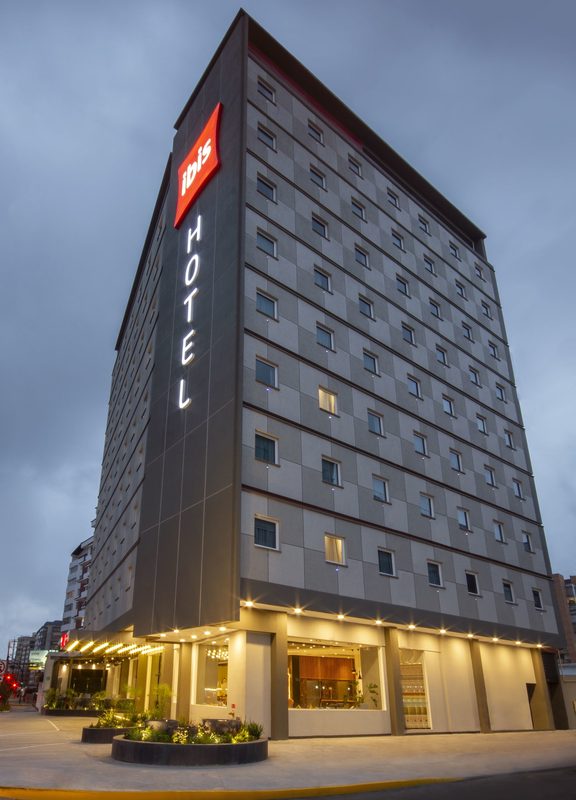
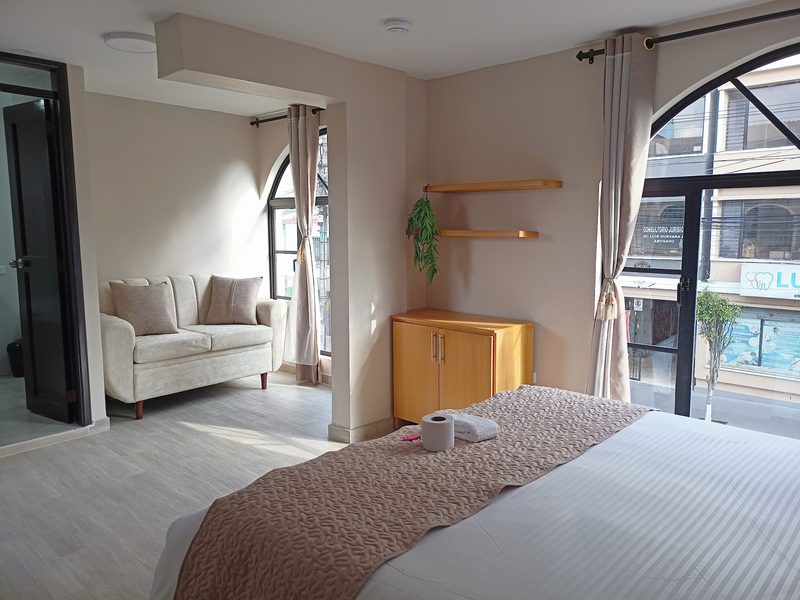
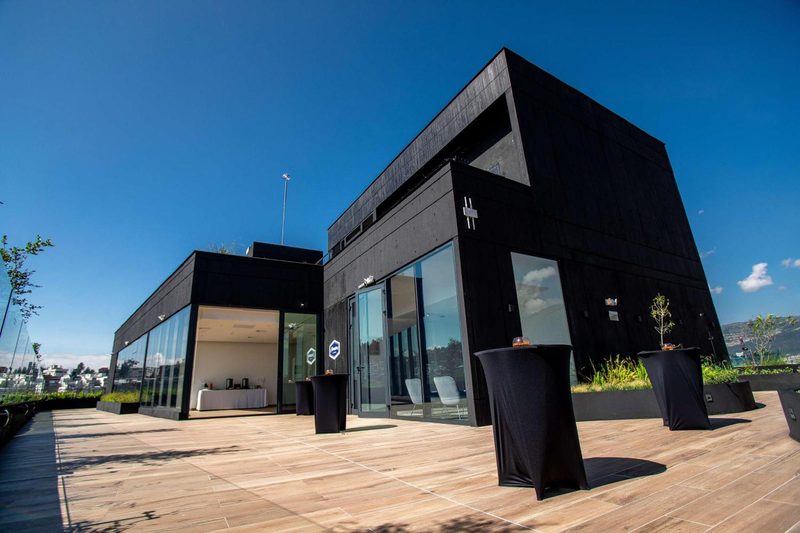
Where to Stay in Ecuador in February
Hand-picked hotels across price tiers for February travellers.
Public Holidays in February
Dates that affect opening hours, transport and crowds
Carnaval
Known in English as Carnival. Observed nationwide as a public holiday.
Carnaval
Known in English as Carnival. Observed nationwide as a public holiday.
Carnaval
Known in English as Carnival. Observed nationwide as a public holiday.
Carnaval
Known in English as Carnival. Observed nationwide as a public holiday.
Packing Checklist
Bookmark this page — your progress is saved between visits
Need the full list with shopping links?
Climate-specific gear, brand recommendations, and what to leave at home.
View Ecuador Packing List →Essential Tips
Insider knowledge and common pitfalls to avoid
Insider Knowledge
Quito's altitude at 2,850 m (9,350 ft) hits harder than most travelers expect, those arriving from sea level. Spend at least one full day in the city before heading to higher passes or doing anything strenuous. A slow morning exploring the centro historico with frequent cafe stops and a bowl of locro de papa for lunch is the right first-day pace. Heading straight from the airport to a volcano hike is a recipe for headaches and worse. Acclimatize first.
February rain in the highlands follows a remarkably predictable daily pattern: mornings break clear and sunny, clouds build through midday, and showers arrive between 2 and 4 PM, usually clearing by evening. Front-load every outdoor activity before noon and save museums, covered markets, and restaurants for the wet afternoon hours. This pattern holds roughly four days out of five, which means mornings are reliably productive if you start early. Wake up early.
Ecuador uses the US dollar as its official currency, which eliminates exchange-rate headaches. But ATMs dispense larger bills that smaller vendors, market stalls, and rural businesses struggle to break. Carry small denominations for markets, street food, and taxis outside the major cities. Some rural areas like Mindo, Papallacta, and Guaranda have limited ATM access, so withdraw cash in Quito or Guayaquil before heading out. Plan ahead.
During Carnival week, intercity buses and domestic flights sell out days in advance. Book internal transport before you leave home, not at the bus terminal. If you are flying to the Galapagos during Carnival, lock those flights in first, as Ecuadorian families also vacation on the islands and seats disappear fast. The days immediately after Carnival, around February 10-12, tend to be quieter and cheaper if you can shift your travel window by just a few days. Avoid the crowds.
Avoid These Mistakes
Packing for one climate zone when Ecuador has four radically different ones within a few hours of each other. Quito at 2,850 m (9,350 ft) requires layers and rain gear. The Galapagos at sea level is warm and sunny. The Amazon basin around Tena is hot and humid. The coast near Guayaquil is tropical and sticky. Travelers who pack only shorts and t-shirts freeze in Quito, and those who pack only for the highlands swelter everywhere else. Check which zones your itinerary touches and pack a small bag for each. Layer everything.
Underestimating Carnival's impact on logistics. The four days around the public holidays, roughly February 6-9 in 2027, are when much of Ecuador travels, eats out, and celebrates. Accommodation in Banos, Guaranda, and Ambato books solid weeks ahead. Some restaurants close or go to limited menus. Bus terminals become chaotic. If you have not planned around this, Carnival week can shift from festive to frustrating fast. Book early.
Treating Quito as a transit hub to the Galapagos rather than a destination in its own right. Quito's centro historico is one of the most architecturally significant colonial districts in the Americas. The carved gold-leaf interior of the Iglesia de la Compania alone warrants half a day. The food markets are extraordinary. The city rewards two to three days of exploration, and rushing through it to catch a Galapagos flight means missing one of the strongest parts of any Ecuador itinerary. Stay longer.
Ready to plan your trip to Ecuador?
Now that you've got the research covered, here's where to go next.
Explore More Activities in Ecuador
Didn't see anything interesting yet?
Browse Viator's full catalog of tours, day trips, food experiences, and private guides in Ecuador.
See All Ecuador Tours on Viator