Things to Do in Ecuador in May
May weather, activities, events & insider tips
Shoulder Season · Good Value
May Weather in Ecuador
Long-run averages for May in Quito
69°F (21°C)
High Temp
50°F (10°C)
Low Temp
4.2 inches (107 mm)
Rainfall
83%
Humidity
15
Sunny-Day UV
⚠ Extreme UV radiation at equatorial altitude punches through cloud cover and causes severe sunburn even on overcast days. Most first-time visitors to Quito underestimate this because the temperature feels cool. The altitude amplifies exposure significantly. Apply high-SPF sunscreen to all exposed skin every two hours regardless of cloud conditions. Reapply often.
⚠ Altitude sickness affects the majority of sea-level arrivals in Quito at 2,850 m (9,350 ft) and can escalate to serious illness above 4,000 m (13,120 ft) on Cotopaxi and similar excursions. Symptoms include headache, nausea, breathlessness, and insomnia. Acclimatize for at least 48 hours before any high-altitude activity. Descend immediately if symptoms worsen. Drink water.
⚠ Afternoon thunderstorms in the highlands can produce sudden temperature drops of 8-10 degrees Celsius (15-18 degrees Fahrenheit) within an hour and turn mountain trails muddy and slippery. Carry your rain jacket and warm layers even on mornings that feel warm and clear. Avoid exposed ridgelines during active lightning. Check forecasts.
Making the most of May in Ecuador? Browse tours and activities in Ecuador on GetYourGuide.
Is May Right for You?
Weigh the advantages and considerations before booking
Advantages
- + May marks the pivot from wet to dry season in Ecuador's highlands, with Quito's rainfall dropping from April's 6.7 inches (170 mm) to 4.2 inches (107 mm). The landscape stays saturated and green from months of rain. Rivers run full enough for serious whitewater. Afternoon downpours that defined March and April begin to shorten. They become more predictable twenty-to-forty-minute bursts. No more all-day soakings.
- + Shoulder season pricing takes effect across the country. Accommodation in Quito, Cuenca, and the Amazon gateway towns runs noticeably cheaper than the June through September dry-season peak. Galapagos cruise operators sometimes release last-minute berths at reduced rates. Those vanish entirely by July.
- + Two national holidays bring Ecuador to life in ways most visitors never see. Dia del Trabajo on May 1 and Batalla de Pichincha on May 24 fill Quito's plazas with military parades, brass bands, and street food vendors selling fritada and mote from makeshift stalls. The festive energy in the Centro Historico on those days feels patriotic. Not staged for tourists.
- + The cloud forests around Mindo and the Choco Andino hit peak biological activity in May. Birds are nesting. Orchids bloom along mossy trail margins. The cock-of-the-rock leks are active at dawn. Residual moisture keeps the canopy dripping with bromeliads and epiphytes. Every walk feels like stepping into a living greenhouse.
Considerations
- − Afternoon rain is still a near-daily reality in the Sierra and Oriente. Clouds stack up over the Andes by 1 or 2 PM. The showers that follow can last twenty minutes to a couple of hours. Morning outdoor plans work reliably. Anything scheduled after lunch needs a rain-contingency or an indoor fallback.
- − Coastal Ecuador around Guayaquil and the Pacific beach towns is at its least appealing in May. The wet season is winding down but humidity still hangs heavy. Mosquitoes remain aggressive. Some beach access roads carry months of accumulated mud. Water clarity for snorkeling off spots like Isla de la Plata tends to be murky compared to the dry season.
- − The two national holidays trigger domestic travel surges that catch foreign visitors off guard. Bus terminals in Quito and Guayaquil pack out around May 1 and May 24. Popular highland towns like Banos de Agua Santa see local visitor spikes. Guesthouse availability around those long weekends can tighten up fast. Book ahead.
Short on time in May? See day trips around Ecuador on GetYourGuide.
Best Activities in May
Top things to do during your visit
Mindo Cloud Forest Birding Excursions
May catches the Mindo Valley's cloud forest in that narrow window where the heaviest rains have backed off but the canopy stays saturated and teeming. The Andean cock-of-the-rock leks are active through the month. Watching a male flash his impossible orange crest at a rival, backlit by mist rolling through the trees at 1,300 m (4,265 ft), justifies hauling binoculars across an ocean. Mindo sits roughly two hours northwest of Quito by road. The temperature shift from the city's dry plateau into the forest's perpetual humid envelope hits you like walking into a greenhouse someone forgot to ventilate. Over thirty hummingbird species work the feeders and flowering heliconias. Orchids push their blooms along every trail edge. The dawn chorus before 6 AM layers so many calls that even experienced birders describe it as borderline overwhelming. The forest smells like wet earth, decomposing leaves, and the faintly sweet rot of fallen fruit on the trail. May tends to give you drier mornings with cloud building after noon. The early hours, when the birds are most active anyway, are your clearest window.
Booking Tip: Book guided birding excursions at least a week ahead in May. Confirm your guide has specific knowledge of lek locations and call identification. Early morning departures before 6 AM are standard. They are non-negotiable for serious birding. See current guided options in the booking section below.
Canyoning and Waterfall Rappelling near Banos de Agua Santa
The canyons around Banos run full in May, fed by months of highland rain draining off the eastern flanks of Tungurahua volcano into gorges cut from black volcanic rock. Cashaurco canyon, the most popular route, drops you through a series of natural water chutes and rappel points where spray hammers your helmet and the basalt walls are slick with moss and mineral staining. The water temperature hovers around 12-14 degrees Celsius (54-57 degrees Fahrenheit). Bracing enough to make you gasp on entry. Tolerable once the adrenaline takes over. May's flow levels tend to sit in a productive middle range, strong enough to feel the current's force pulling at your harness but not so swollen that operators cancel runs, which happens more regularly in March and April. Banos itself sits at 1,820 m (5,970 ft) in a valley walled by cloud forest and waterfalls. The town's main streets smell like melting sugarcane from the taffy-pulling machines that line the sidewalks. After a canyon descent, the volcanic hot springs that give the town its name stop being optional. They become medicinal.
Booking Tip: Book canyoning trips a few days ahead during May's holiday weekends. Confirm that the operator provides helmets, harnesses, and neoprene wetsuits for the cold canyon water. All legitimate operators carry insurance. They employ certified guides. See current canyoning options in the booking section below.
Upper Amazon Whitewater Rafting from Tena
Tena sits at the edge of the Ecuadorian Amazon at roughly 500 m (1,640 ft), where the Andes collapse into jungle and the rivers carrying highland runoff become some of the best whitewater in South America. The Jatunyacu River, the standard Class III to IV run, pushes serious water in May, and the rapids hit with enough force to swamp the raft bow and throw spray six metres (twenty feet) into air that already feels like breathing through a warm towel. The jungle closes in on both banks, parrots screech from the canopy overhead, and the water itself runs the colour of milky coffee from the sediment it drags off the mountains. Everything down here smells different from the highlands, thick, warm, laced with wet vegetation and red clay and the sweet decay of the forest floor. May's river levels are good for rafting, high enough for exciting rapids but receding from the dangerous peaks of March and April when entire sections close. Full-day runs typically include a riverside lunch and enough calm stretches between rapids to spot monkeys and toucans in the overhanging trees.
Booking Tip: Book full-day rafting through operators with Class IV certification and proper safety equipment, ideally a few days in advance. Confirm that lunch and return transport from Tena's town centre are included, as the put-in points can be an hour upstream. See available rafting tours in the booking section below.
Galapagos Islands Wildlife and Snorkeling Expeditions
May falls in the warm-wet tail of the Galapagos calendar, when sea surface temperatures still hover around 24-25 degrees Celsius (75-77 degrees Fahrenheit) and snorkeling is comfortable without a full wetsuit, a luxury that vanishes once the cold Humboldt Current reasserts itself from June onward. The seas are calming compared to the choppier conditions of February and March, which means fewer cancelled panga landings and less seasickness on overnight crossings between islands. Sea lion pups born earlier in the year are at their most curious and playful, tumbling through the shallows at places like Isla Lobos and Espanola with zero wariness of snorkelers. Marine iguanas still carry traces of their breeding-season colour on several islands, giant tortoises are active in the highlands of Santa Cruz, and blue-footed boobies are nesting along rocky shorelines. The Galapagos smells like salt, sun-baked lava, and the unmistakable fishy musk of a sea lion colony, and the volcanic landscape feels more lunar than tropical. May sits in the shoulder season, which means slightly thinner crowds at visitor sites compared to the July and August peak.
Booking Tip: Book Galapagos cruises or island-hopping itineraries at least three to four months ahead for May departures. Land-based day tours from Santa Cruz or San Cristobal offer more flexibility and can usually be arranged a few weeks out. Check current Galapagos options in the booking section below.
Quito Old Town Walking and Food Tours
Quito's Centro Historico spreads across forty blocks of colonial churches, cobblestone plazas, and carved wooden balconies that creak under your weight, and May's mild temperatures, around 21 degrees Celsius (69 degrees Fahrenheit) by midday, make walking the whole thing comfortable rather than the breathless slog it becomes at altitude in warmer months. The food in the old town leans heavy and warming, which makes sense at 2,850 m (9,350 ft) where the evening chill bites through a cotton shirt. Locro de papa, a thick potato and cheese soup served with half an avocado floating on top, appears on nearly every corner menu and tastes like the Andes distilled into a bowl, earthy and rich and filling enough to carry you through an afternoon of cobblestones. Street vendors along Garcia Moreno sell empanadas de viento, deep-fried cheese pastries dusted with powdered sugar that shatter when you bite into them and leave grease stains on whatever you are wearing. The churches, La Compania and San Francisco chief among them, smell like four centuries of accumulated incense and beeswax, and the gold leaf interior of the Jesuit Compania catches candlelight in a way that no photograph has ever managed to capture.
Booking Tip: Walking and food tours of the Centro Historico are widely available and can typically be booked a few days ahead. Aim for morning departures when the old town is quieter, the light hits the colonial facades cleanly, and the afternoon rain has not yet started. See current tour options in the booking section below.
Cotopaxi National Park Volcano Day Hikes
Cotopaxi, the symmetrical snow-capped cone that dominates the skyline an hour and a half south of Quito, reaches 5,897 m (19,347 ft) and is one of the highest active volcanoes on Earth. May marks the start of the clearer season when the summit reveals itself for more than fleeting moments between cloud banks, and the paramo grassland below the snowline looks like Scottish moorland transplanted to the equator, golden tussock grass rippling in the wind against black volcanic scree while wild horses graze the lower slopes. The standard day hike climbs to the Jose Rivas refuge at roughly 4,864 m (15,955 ft) through terrain that thins your breathing after twenty steps and drops the temperature below freezing even with the equatorial sun overhead. Below the paramo, Limpiopungo Lagoon sits at 3,800 m (12,470 ft) reflecting the volcano on calm mornings, and Andean gulls and lapwings work the shore in the sharp highland air. Start early, before 7 AM ideally, because cloud tends to swallow the summit by late morning and the afternoon rain that follows turns the descent trail into a muddy slide.
Booking Tip: Day trips to Cotopaxi run daily from Quito and typically include transport, park entry, and a guide. Book with operators who provide altitude-acclimatization briefings and carry supplemental oxygen, and be honest about your fitness level as the refuge hike gains over 300 m (985 ft) at extreme altitude. See available Cotopaxi excursions in the booking section below.
Where to Stay in Ecuador in May
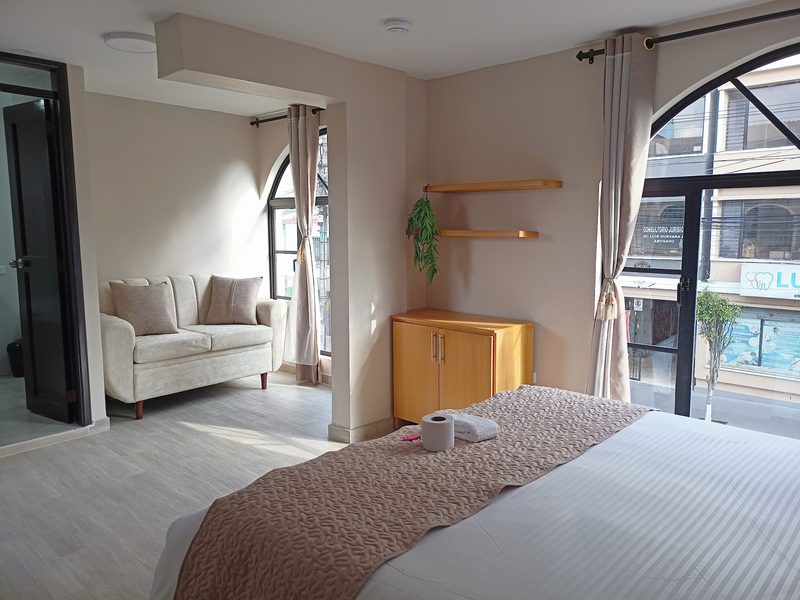
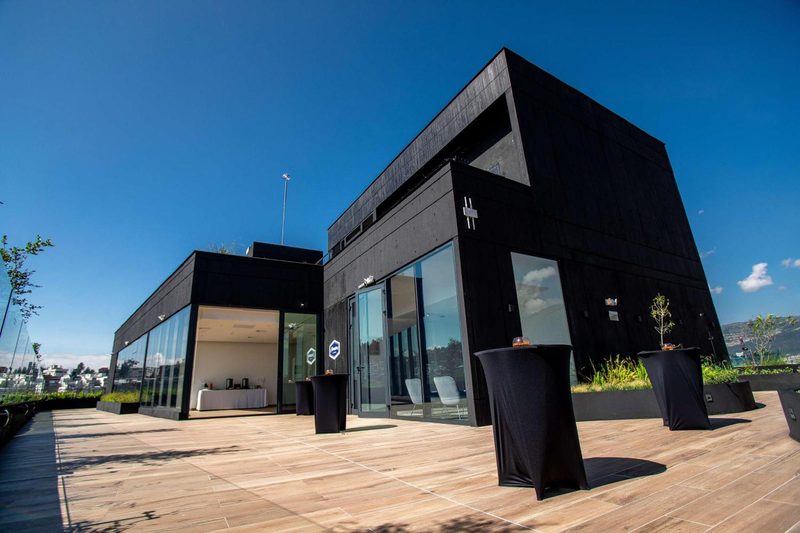
Hand-picked hotels across price tiers for May travellers.
Public Holidays in May
Dates that affect opening hours, transport and crowds
International Workers' Day
Observed nationwide as a public holiday.
Batalla de Pichincha
Known in English as The Battle of Pichincha. Observed nationwide as a public holiday.
International Workers' Day
Observed nationwide as a public holiday.
Batalla de Pichincha
Known in English as The Battle of Pichincha. Observed nationwide as a public holiday.
Packing Checklist
Bookmark this page — your progress is saved between visits
Need the full list with shopping links?
Climate-specific gear, brand recommendations, and what to leave at home.
View Ecuador Packing List →Essential Tips
Insider knowledge and common pitfalls to avoid
Insider Knowledge
Take one full day of near-nothing after landing in Quito before any strenuous activity. The 2,850 m (9,350 ft) altitude hits harder than expected, after sea-level flights. Coca leaf tea from any pharmacy eases headache and nausea. The Teleferico cable car climbs from 3,100 m (10,170 ft) to 4,100 m (13,450 ft) in eight minutes. It triggers full altitude sickness fast. Wait two full days minimum.
Otavalo's Saturday market ranks among South America's oldest and largest indigenous markets. The animal market starts before dawn and ends by 9 AM. To see centuries-old trading rather than tourist-curated textiles, arrive by 6 AM. The Quito drive takes roughly two hours. Some travelers stay overnight Friday.
Encebollado, the tuna and yuca soup coastal Ecuadorians swear by as a morning restorative, hits Guayaquil street carts around 6 AM. Order it with curtido, the sharp pickled red onion that cuts the richness. Squeeze in lime until your eyes water. It is arguably Ecuador's greatest dish. It costs almost nothing. If you eat one thing on the coast, eat this.
Ecuador's security landscape changed recently. Handle it like any major Latin American metropolis. Daylight brings safety to Quito's Centro Historico and the Mariscal tourist district. Nightfall demands caution on side streets near the main plazas. Download registered ride-hailing apps. Skip street flags. Hide your phone on public buses. Leave heavy camera gear behind. The highlands stay relaxed. Smaller tourist-circuit towns like Banos, Otavalo, and the Galapagos gateway ports feel noticeably calmer than the big cities. Trust local advice. Stay alert. Your safety depends on it. Travel smart. Watch your belongings. Local drivers know the routes well.
Avoid These Mistakes
Pack for four climates. Ecuador stacks them vertically. Quito's 10-21 degrees Celsius (50-69 degrees Fahrenheit) range in May shares nothing with the Amazon's 30 degrees Celsius (86 degrees Fahrenheit) swelter around Tena or the coast's thick humidity in Guayaquil. Bring shorts and sandals. Leave them behind in the Sierra. Warm layers melt fast. Drop below 1,000 m (3,280 ft) elevation and sweat sets in. Pack light. Layer up. Adjust daily. Check forecasts.
The equatorial sun burns through grey skies. Cloud cover in the highlands gives a false sense of protection. UV radiation at 2,850 m (9,350 ft) on the equator cuts through overcast skies without much difficulty. First-day sunburns are the most common tourist complaint in Quito. They tend to happen to people who thought they did not need sunscreen because the sky looked grey. Wear SPF 50. Cover up. Wear sunglasses.
Avoid tight connections on May 1 and May 24 holiday weekends. The entire country travels simultaneously. What normally takes five hours by bus from Quito to Banos can stretch significantly longer when every family in Pichincha province has the same idea. Book intercity transport early. Build buffer time into any itinerary that spans a holiday weekend. Leave extra time. Expect delays.
Ready to plan your trip to Ecuador?
Now that you've got the research covered, here's where to go next.
Explore More Activities in Ecuador
Didn't see anything interesting yet?
Browse Viator's full catalog of tours, day trips, food experiences, and private guides in Ecuador.
See All Ecuador Tours on Viator